Sponsored by TescanReviewed by Ify IsiborNov 16 2026
Transmission electron microscopy (TEM) continues to be one of the most powerful techniques for nanoscale characterization in materials science applications.
TEM systems are often shared by multiple users in academic laboratories, meaning it is important to maximize instrument use. TEM throughput is not usually constrained by microscope availability; it is more commonly limited by the rate at which appropriate samples can be prepared.
Scanning electron microscopes (SEM) combined with focused ion beam (FIB) are widely recognized as the standard approach for site-specific TEM lamella preparation. Traditional TEM preparation workflows tend to be highly dependent on operator expertise and availability, which consequently introduces variability among users and limits lamellae preparation within standard working hours.
This means that even laboratories with advanced TEM instrumentation can experience idle microscope time due to a lack of prepared samples. These limitations can result in an imbalance and inefficiency of TEM and FIB-SEM equipment usage.
Contemporary TEM systems can deliver high-throughput data acquisition, as exemplified by platforms such as Tescan TENSOR, but the traditional upstream preparation workflow is not always sufficient in supplying an appropriate quantity of high-quality specimens.
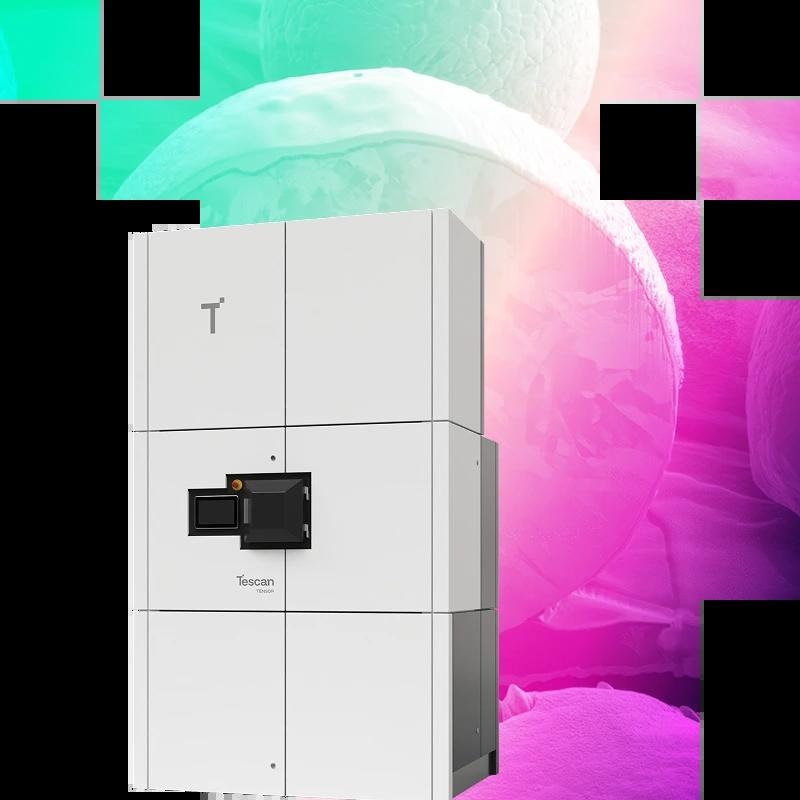
Image Credit: Tescan
Enhancing laboratory productivity lies in decoupling sample preparation from operator expertise or availability and extending sample preparation time beyond the standard workday.
The article demonstrates how automated TEM sample preparation using Tescan FIB-SEM tools can overcome these bottlenecks and increase efficiency of EM labs and facilities.

This information has been sourced, reviewed, and adapted from materials provided by Tescan.
For more information on this source, please visit Tescan.