Written by Anoop Suvarna, Global Battery Materials Manager, Pall Corporation
As the electric vehicle (EV) market matures, expectations for lithium-ion battery performance continue to escalate. With EV sales reaching new records year after year, the pressure on battery systems is greater than ever.1
Global EV sales surged in 2025, climbing roughly 20 % over 2024 to exceed 20.7?million units. Growth was particularly strong in Europe (+33 %) and the Rest of the World (+48 %), while China maintained solid momentum (+17 %), offsetting a slight decline in North America.2
Against this backdrop, automakers and battery manufacturers face increasingly tough metrics. Batteries must power vehicles farther and faster while also being produced more sustainably. Meeting these expectations simultaneously is no small task.
At the foundation of this challenge lies a simple but critical requirement: the absolute purity of materials used throughout battery manufacturing, and particularly, the oxygen required in producing Cathode Active Materials (CAM).
Saving this article for later? Download a PDF here.
The Commercial and Technical Imperative for Purity
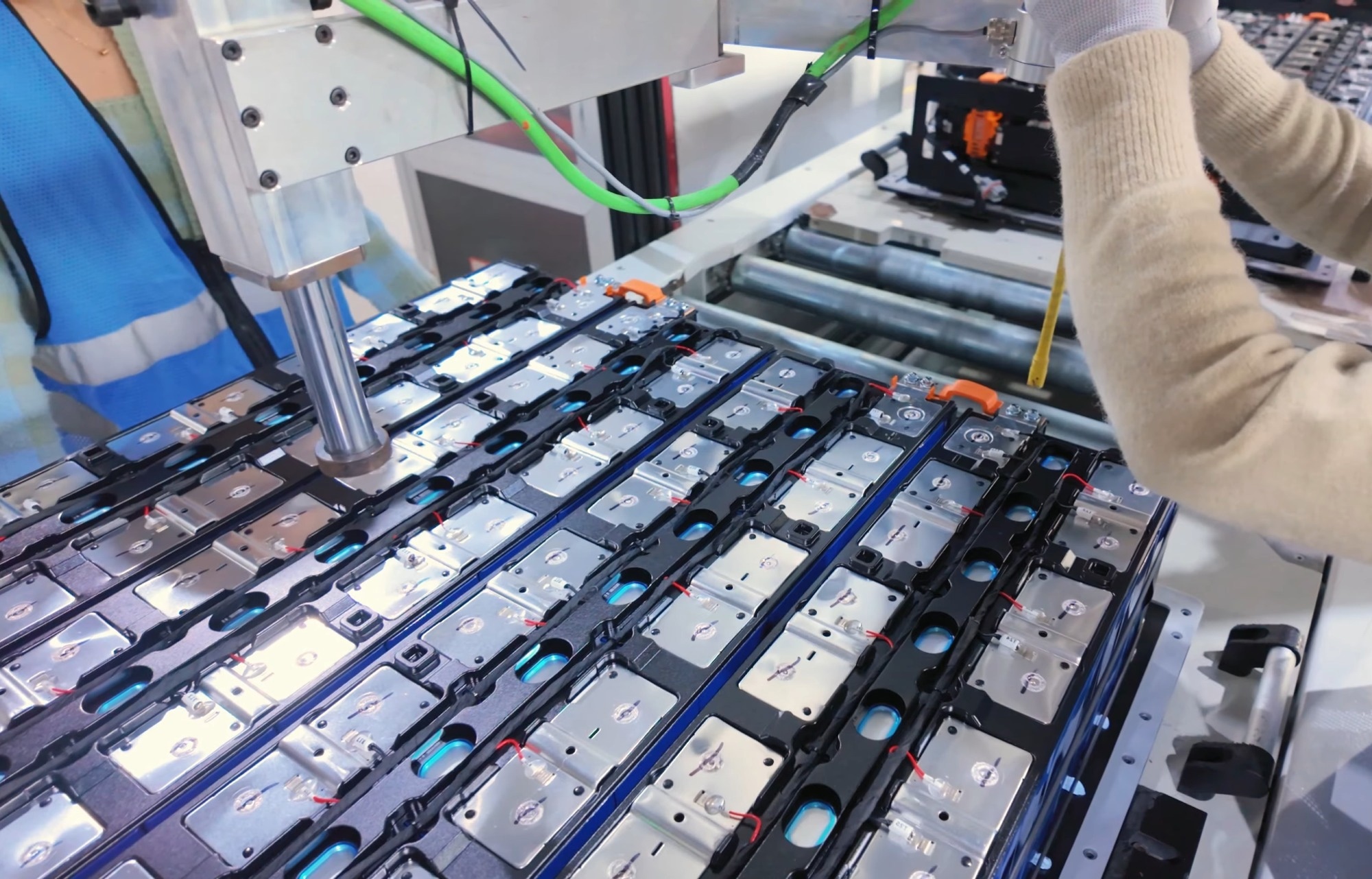 Image Credit: harhar38/Shutterstock.com
Lithium-ion batteries remain the preferred renewable power solution for most automakers, thanks to their high energy capacity, fast charging, low discharge rates, and impressive lifespan when compared to other batteries.
However, the performance, range, and durability of any EV are fundamentally determined by the efficiency and cleanliness of the battery’s four key components: The cathode, anode, separator, and electrolyte.
Among these, the formation of the cathode is the most complex and cost-intensive process, accounting for over 40 % of total battery cost.3 Cathode Active Materials' (CAM) composition and structure directly influence the battery’s performance and longevity.
Even minute levels of contamination in cathode materials can disrupt the delicate crystal structure, degrade battery life, and reduce energy density.
This makes the elimination of contaminants not merely a quality control measure, but a commercial necessity for any supplier aiming to demonstrate value and secure their place in a rapidly shifting market.
Why Oxygen Filtration Down to the Nanometer Matters
The battery industry is scaling up at an unprecedented rate to meet surging EV demand, and is projected to reach more than $260 billion by 2035.4
As production volumes increase, maintaining consistent quality becomes more challenging - and more important.
One area that has gained particular attention is oxygen purity in CAM production. Drawing on filtration technologies long used in highly regulated gas applications, leading CAM producers are now targeting particle retention levels as fine as 3 nm (0.003 microns) in oxygen service.
That level of precision can make a measurable difference in cathode quality.
In recent projects, we at Pall Corporation have worked with industrial gas suppliers to meet these increasingly stringent purity requirements.
For example, our pleated filters use proprietary polytetrafluoroethylene (PTFE) membranes designed to achieve 3nm particle retention in oxygen applications, supporting the consistent production of next-generation cathode materials.
At a new CAM facility operating under tight pressure constraints and strict gas-purity demands, legacy filters were causing excessive differential pressure. The result was frequent changeouts, operational disruption, and inconsistent quality.
By implementing advanced gas filtration with lower pressure drop and longer service life, the producer was able to stabilize purity levels, achieve target crystal size, reduce contaminants, and meet cell-assembly specifications more consistently.
The improvements were tangible: fewer changeouts, less downtime, lower operating costs, and improved yield - demonstrating how oxygen purity directly influences throughput and battery performance.
The impact extends beyond individual facilities. As production scales, filtration systems must deliver consistent results without compromising on efficiency or increasing operational burden.
Filtration as a Performance and Sustainability Enabler
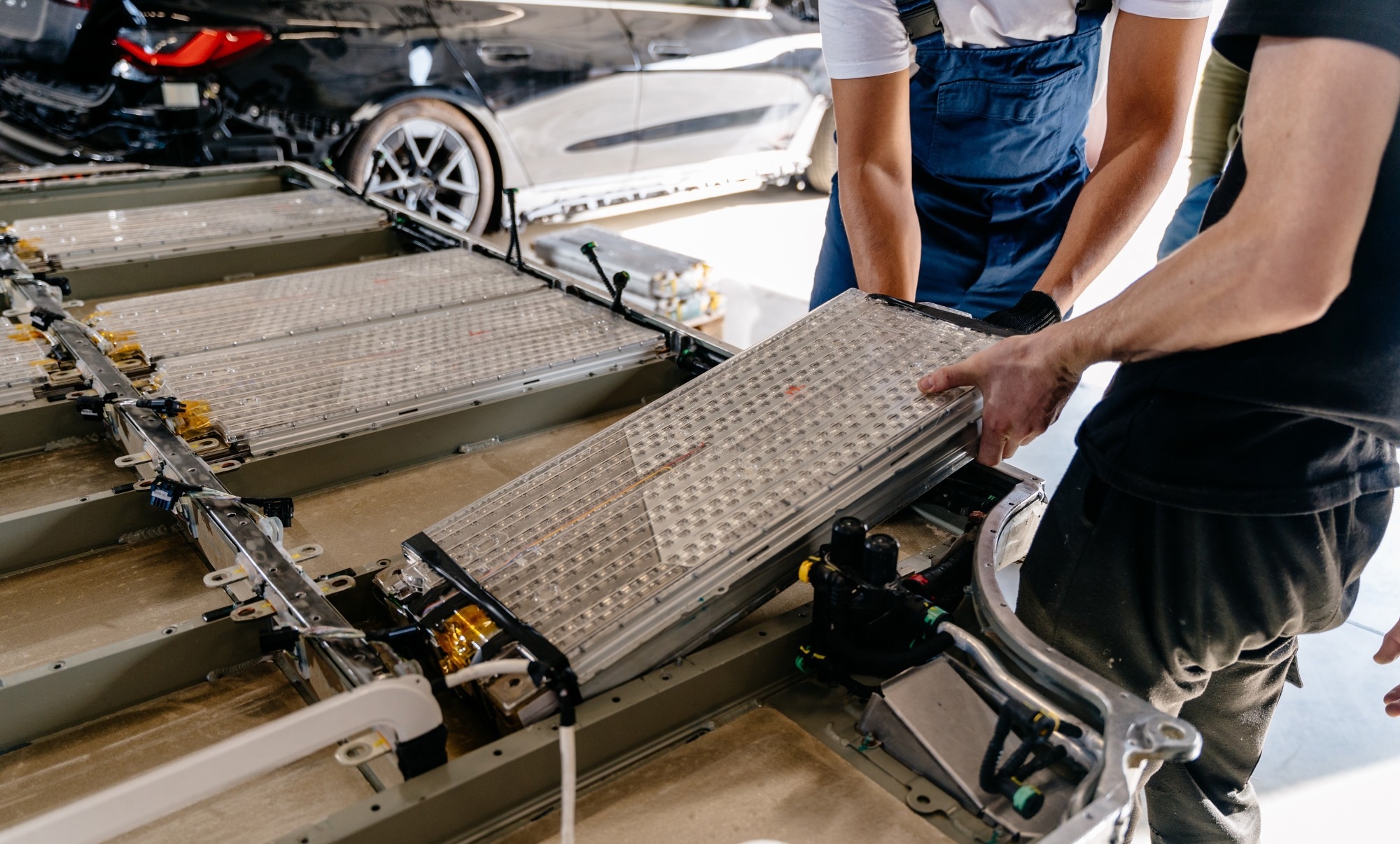 Image Credit: Iryna Inshyna/Shutterstock.com
While ultra-pure oxygen is critical in CAM production, purity must extend across the entire battery manufacturing process. For example, contamination in the CAM slurry can reduce electrode effectiveness, leading to lower battery performance and shorter life cycles.
But only when electrolyte cleanliness and polymeric separator materials are held to equally high standards can manufacturers maximize the performance gains from purer cathode materials.
Filtration also plays an important role in advancing sustainability objectives. Cleaner manufacturing processes enable higher recovery rates, reduce waste, and improve recycling outcomes.
According to the International Energy Agency, recycling could supply 20-30 % of lithium, nickel, and cobalt demand by 2050.5 Achieving those targets depends on maintaining material quality throughout both production and recovery cycles.
As global battery production expands, these operational and environmental benefits are essential to meet both commercial and regulatory expectations.
Future-Proofing Battery Materials Manufacturing
This move to hyperclean filtration is more than a refinement. It reflects how tightly quality control is now linked to battery performance and competitiveness. As chemistries evolve and performance expectations increase, requirements for process-gas purity will continue to rise.
Ultimately, the path to high-performance, sustainable EV batteries runs through a relentless focus on purity, down to the nanometer.
Those who invest in advanced filtration today are setting new industry standards, enabling batteries that consistently meet and exceed the expectations of automakers and end users alike.