The Impact of Surface Composition on Material Properties
How Functional Coatings Modify Polymer Surfaces
Methods of Applying Functional Coatings
Conclusion
References
Polymers are used in many engineering applications because they are lightweight, corrosion-resistant, and easy to process. On their own, however, they often cannot provide enough resistance to moisture, chemicals, wear, fouling, or electrical effects.
Functional coatings solve that problem by changing the surface while leaving the base material unchanged. This lets engineers retain the advantages of the polymer substrate while adding surface properties more commonly associated with metals, ceramics, or specialized composites.
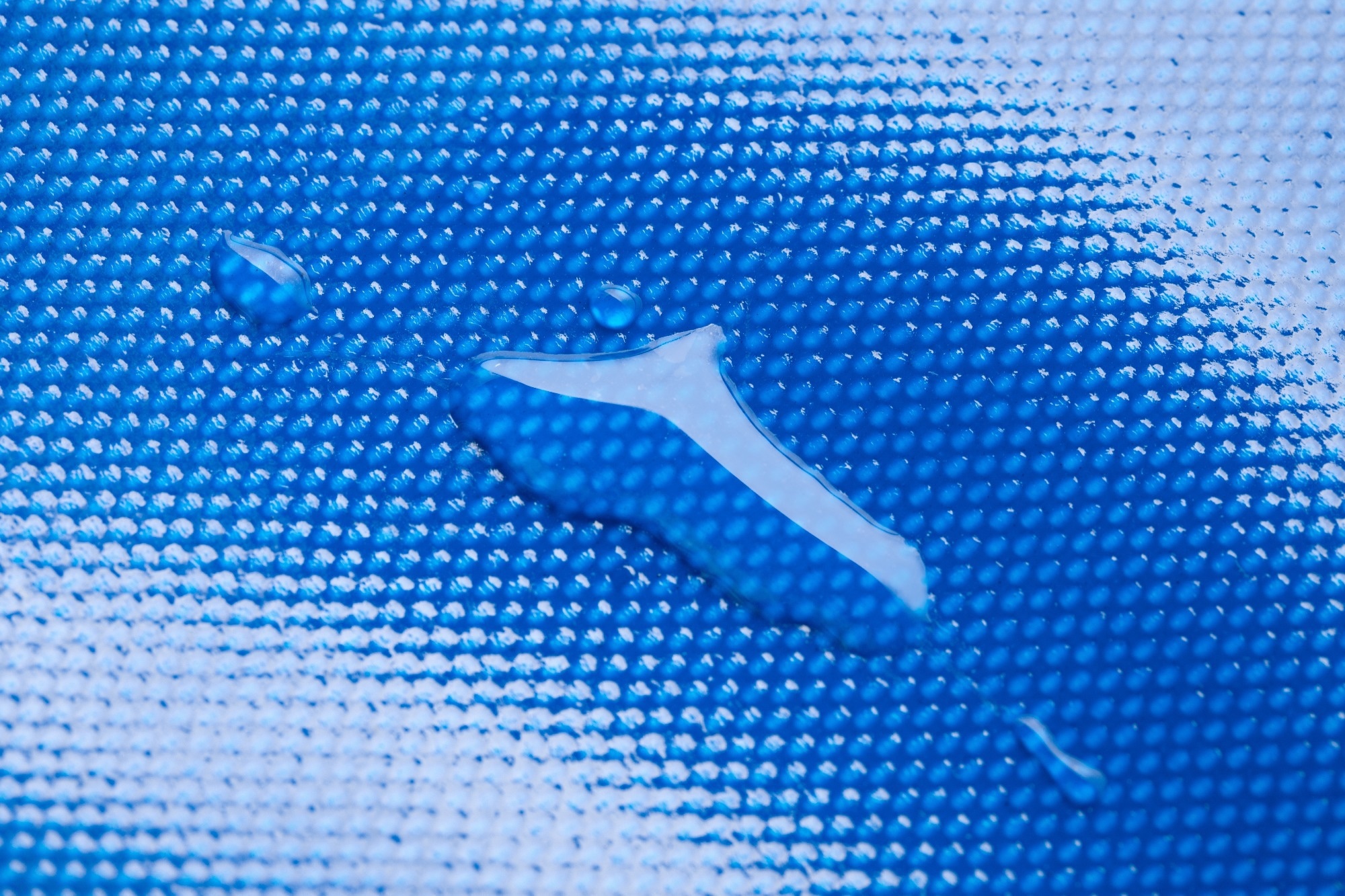 Image Credit: Contentino/Shutterstock.com
Saving this article for later? Download a PDF here.
The Impact of Surface Composition on Material Properties
The performance of many polymer components depends on how the surface interacts with the surrounding environment. Moisture ingress, oxygen permeability, surface friction, microbial growth, and electrostatic charge accumulation usually begin at the interface between the material and its environment. Even a high-performance polymer can show limitations when its surface is exposed to harsh chemicals, UV radiation, or abrasive contact.1, 2
Functional coatings create a protective or interactive layer at that interface. A polymer housing, for example, may be mechanically strong but still allow slow diffusion of water vapor. A thin barrier coating can reduce that permeability.
The same logic applies in marine environments. A polymer part may remain structurally stable but still attract biological growth. In that case, a hydrophobic coating can lower surface energy and reduce organism attachment. Instead of searching for one polymer with every required property, engineers usually choose a polymer that meets structural and processing needs, then tailor the surface for the operating environment.1, 2
How Functional Coatings Modify Polymer Surfaces
Barrier Coatings
Many polymers are permeable to oxygen, carbon dioxide, or water vapor to some degree. That can be a problem in food packaging, medical devices, and electronic enclosures. Barrier coatings reduce the transmission of gases, moisture, and chemicals through polymer surfaces.3, 4
Thin inorganic layers, such as silicon oxide or aluminum oxide, are often deposited onto polymer films to form effective barriers. These coatings slow diffusion by creating a dense, less permeable surface layer.
In flexible packaging, they help extend shelf life by limiting oxygen exposure. In electronics, they protect sensitive components from humidity that could otherwise cause corrosion or short circuits. Organic barrier coatings, including specialized resins and multilayer polymer films, are also used when flexibility is important.3, 4
Anti-Corrosion Layers
Polymers do not corrode in the same way metals do, but their surfaces can still degrade in aggressive chemical environments. They are also often used in assemblies that include metal parts. Anti-corrosion coatings applied to polymers therefore serve two purposes: they help protect nearby metal components, and they help shield the polymer from chemical attack.
In automotive and industrial settings, polymer housings and connectors are exposed to oils, salts, and solvents. Coatings that resist chemical penetration help maintain surface integrity and reduce the risk of swelling, cracking, or embrittlement.
When polymers are used as protective covers over metallic structures, anti-corrosion layers can also limit the movement of moisture and ions to the underlying metal.1, 5
Hydrophobic and Anti-Fouling Surfaces
Hydrophobic and anti-fouling coatings reduce the adhesion of water, dirt, microorganisms, and biological matter to polymer surfaces. Instead of spreading across the surface, liquids bead up and roll off. These coatings usually rely on fluorinated compounds, silicones, or microstructured surface designs that create a low-energy interface.6
In medical devices, hydrophobic coatings can reduce the buildup of biofilms and contaminants, which supports hygiene and makes cleaning easier. In marine and water-treatment systems, anti-fouling coatings help limit the accumulation of algae, barnacles, and other organisms that reduce performance.6
Conductive Coatings
Most polymers are electrical insulators. In many applications that is useful, but in electronics and electromagnetic shielding, polymer components may need to dissipate static charge or conduct electricity. Conductive coatings make that possible without replacing the polymer with metal.
These coatings can include metallic layers, carbon-based materials, or conductive polymers applied as thin films. By adding a conductive layer to a lightweight polymer structure, designers can provide electrical functionality while preserving corrosion resistance and design flexibility.7
Wear-Resistant Films
Polymers are generally softer than metals and ceramics, so they are more vulnerable to scratching and abrasion. In applications that involve friction, repeated contact, or frequent handling, wear-resistant coatings help preserve the surface.
These coatings may consist of hard inorganic films or reinforced polymers that increase surface hardness. Transparent wear-resistant coatings, for example, are often applied to polymer lenses and displays to reduce scratching.8
Methods of Applying Functional Coatings
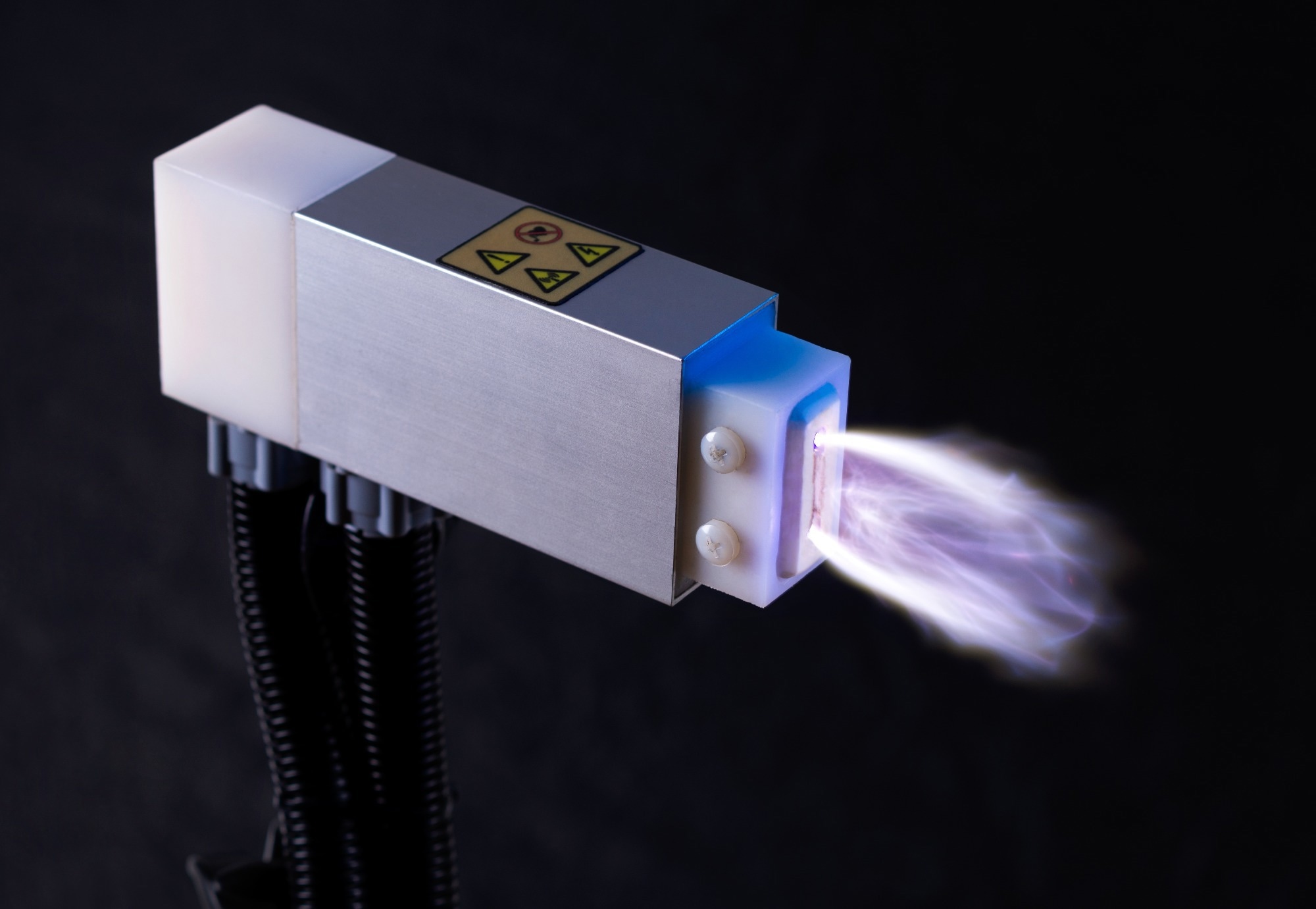 Image Credit: Contentino/Shutterstock.com
Several techniques are used to prepare and coat polymer substrates.
Plasma Treatment: often used as a surface preparation step. Exposing the polymer to ionized gas increases surface energy and improves the adhesion of later coatings. The process can also introduce functional groups that improve bonding.9
Chemical Deposition: used to apply thin, uniform coatings such as barrier layers. These methods allow precise control over thickness and composition, which is important when performance must remain consistent across the surface.10
Spray and Dip Coating: are commonly used to apply liquid coatings, including hydrophobic layers and corrosion-resistant films. These methods are suitable for complex shapes and larger components, and they can often be integrated into existing production lines.11
The coating method is selected according to the required surface properties, the geometry of the part, and manufacturing constraints.11
Conclusion
Functional coatings expand what polymers can do. By modifying the surface rather than replacing the base material, engineers can add barrier protection, chemical resistance, hydrophobicity, conductivity, and wear resistance while keeping the core advantages of the polymer.
With the right surface treatment and coating process, polymer components can be adapted for much more demanding environments and applications.
References
- Matsumoto, T. (2025). Control of surface structure and properties by side chain effects of polymers. Polymer Journal. DOI:10.1038/s41428-024-00976-9, https://www.nature.com/articles/s41428-024-00976-9
- Fabbri, P., & Messori, M. (2017). Surface modification of polymers: chemical, physical, and biological routes. In Modification of polymer properties (pp. 109-130). William Andrew Publishing. DOI:10.1016/B978-0-323-44353-1.00005-1, https://www.sciencedirect.com/science/article/pii/B9780323443531000051
- Struller, C. F., Kelly, P. J., & Copeland, N. J. (2014). Aluminum oxide barrier coatings on polymer films for food packaging applications. Surface and Coatings Technology. DOI:10.1016/j.surfcoat.2013.08.011, https://www.sciencedirect.com/science/article/pii/S0257897213008243
- Tyagi, P., Salem, K. S., Hubbe, M. A., & Pal, L. (2021). Advances in barrier coatings and film technologies for achieving sustainable packaging of food products–a review. Trends in Food Science & Technology. DOI:10.1016/j.tifs.2021.06.036, https://www.sciencedirect.com/science/article/pii/S0924224421003898
- Trentin, A., Pakseresht, A., Duran, A., Castro, Y., & Galusek, D. (2022). Electrochemical characterization of polymeric coatings for corrosion protection: a review of advances and perspectives. Polymers. DOI:10.3390/polym14122306, https://www.mdpi.com/2073-4360/14/12/2306
- He, Z., Yang, X., Wang, N., Mu, L., Pan, J., Lan, X., ... & Deng, F. (2021). Anti-biofouling polymers with special surface wettability for biomedical applications. Frontiers in Bioengineering and Biotechnology. DOI:10.3389/fbioe.2021.807357, https://www.frontiersin.org/journals/bioengineering-and-biotechnology/articles/10.3389/fbioe.2021.807357/full
- Wang, Y., Zhao, W., Tan, L., Li, Y., Qin, L., & Li, S. (2023). Review of polymer-based composites for electromagnetic shielding application. Molecules. DOI:10.3390/molecules28155628, https://www.mdpi.com/1420-3049/28/15/5628
- Ren, Y., Zhang, L., Xie, G., Li, Z., Chen, H., Gong, H., ... & Luo, J. (2021). A review on tribology of polymer composite coatings. Friction. DOI:10.1007/s40544-020-0446-4, https://link.springer.com/article/10.1007/s40544-020-0446-4
- Primc, G., & Mozetic, M. (2024). Surface modification of polymers by plasma treatment for appropriate adhesion of coatings. Materials. DOI:10.3390/ma17071494, https://www.mdpi.com/1996-1944/17/7/1494
- Mostafavi, A. H., Mishra, A. K., Gallucci, F., Kim, J. H., Ulbricht, M., Coclite, A. M., & Hosseini, S. S. (2023). Advances in surface modification and functionalization for tailoring the characteristics of thin films and membranes via chemical vapor deposition techniques. Journal of Applied Polymer Science. DOI:10.1002/app.53720, https://onlinelibrary.wiley.com/doi/10.1002/app.53720
- Butt, M. A. (2022). Thin-film coating methods: a successful marriage of high-quality and cost-effectiveness - a brief exploration. Coatings. DOI:10.3390/coatings12081115, https://www.mdpi.com/2079-6412/12/8/1115
Disclaimer: The views expressed here are those of the author expressed in their private capacity and do not necessarily represent the views of AZoM.com Limited T/A AZoNetwork the owner and operator of this website. This disclaimer forms part of the Terms and conditions of use of this website.