Polyimide molding powders make it possible to manufacture parts that maintain strength, dimensional stability, and functional performance in situations where common engineering plastics tend to soften, creep, oxidize, or wear.
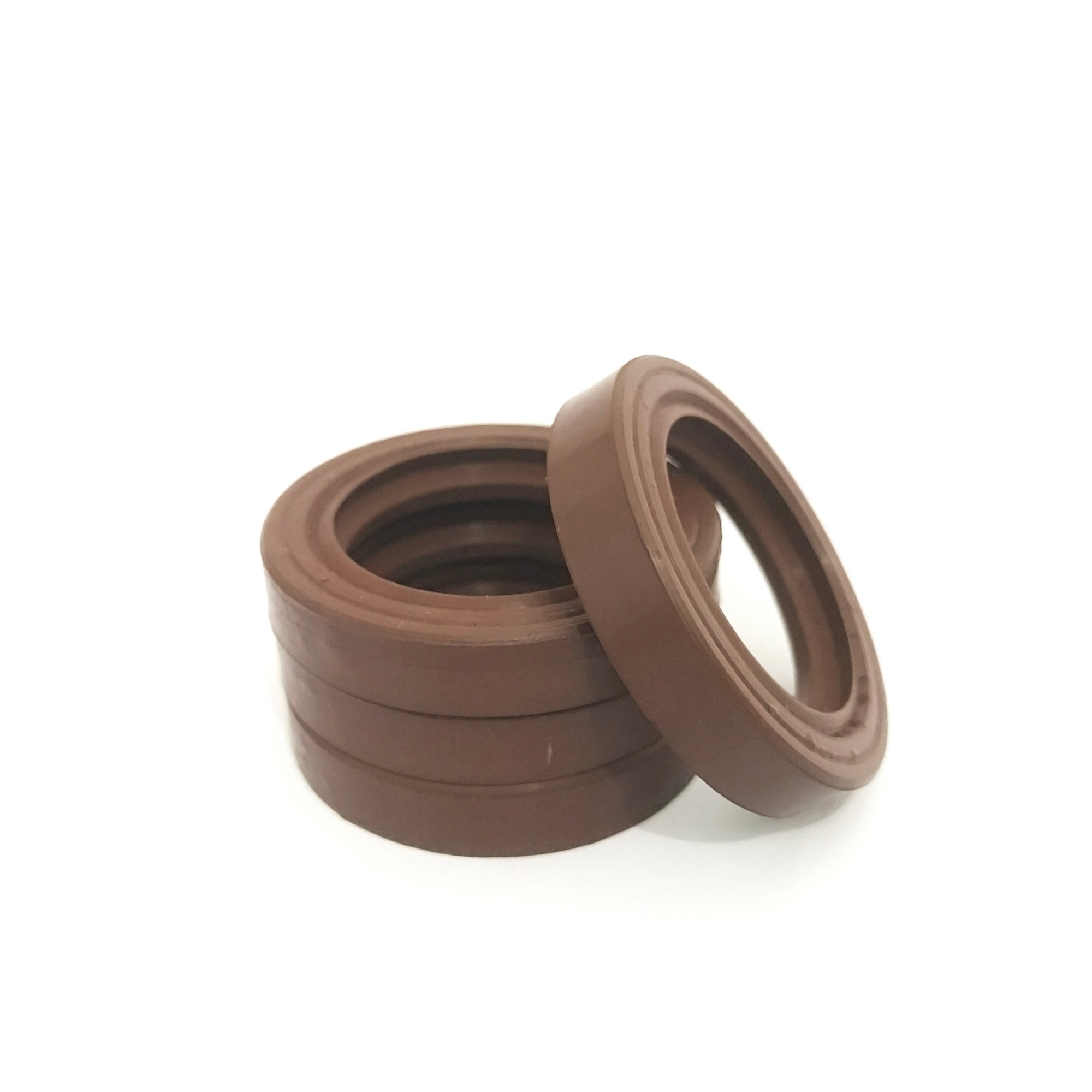
Image Credit: Spezialis / Shutterstock.com
Compression molding and sintering transform these powders into compact, precise parts for challenging mechanical, electrical, and semiconductor settings.1
Unlike melt-processable plastics, high-performing polyimides combine elevated temperature capability, low creep, chemical resistance, stable dielectric properties, and rigid tribological performance.
Fillers such as graphite, polytetrafluoroethylene (PTFE), glass fiber, and carbon fiber can also be used to tailor friction, wear, strength, thermal conductivity, and dimensional stability.1,2
Molded polyimide components are used where heat, pressure, friction, chemicals, and tight tolerances make it challenging to rely on conventional materials. Some key examples include bearings, bushings, thrust washers, piston rings, seals, valve components, electrical insulators and connectors.
Semiconductor processing uses molded polyimides for test sockets, wafer-handling parts, clamping rings, vacuum pads, and other components that require dimensional stability, low wear, and cleanliness.
Aerospace relies on lightweight metal-replacement components, fastener bushings, thermal insulation hardware, and parts exposed to extreme temperature cycles.1–4
Polyether ether ketone (PEEK), polyphenylene sulfide (PPS), polyamide-imide (PAI), and PTFE are all possible substitutes; however, each carries trade-offs.
PEEK offers both toughness and melt processability, making it attractive for injection-molded components. PPS delivers chemical resistance at a reduced cost, while PTFE provides low friction and general chemical inertness. PAI provides a good balance of strength and processability.
However, polyimide can be the better option when sustained temperature, creep resistance, dimensional control, and wear performance are all required simultaneously. Commercial polyimide grades are especially used in high-heat settings where many thermoplastics lose their mechanical properties.2
Polyimide is not the ideal choice for every use case. It often costs more than PEEK, PPS, and traditional filled thermoplastics, and powder molding demands specialized processing. The economics, however, change when component failure leads to expensive downtime, contamination, safety concerns, or frequent replacement.
A polyimide bearing seal or insulating component can justify its initial cost if it minimizes maintenance, prolongs service life, or enables operation outside the constraints imposed by similar materials.5
Polyimide molding powder formulations are strongly influenced by choice of co-monomers. Alongside the chosen diamine, dianhydride selection impacts chain rigidity, thermal resistance, processability, toughness, and ultimate mechanical characteristics.
Pyromellitic dianhydride (PMDA) is an industry standard for heat-resistant aromatic polyimides with low thermal expansion. Benzophenone tetracarboxylic dianhydride (BTDA®) contributes rigidity and high glass transition temperatures. Biphenyl-tetracarboxylic acid dianhydride (BPDA) provides biphenyl segments that underscore thermal and dimensional stability. Meanwhile, Oxydiphthalic anhydride (ODPA) introduces chain flexibility and can increase both toughness and processability, with some compromise in thermal performance.6
The material designer should also bear in mind diamine selection, molecular-weight target, particle morphology, filler package, molding process, and in-service environement. A formulation maximized for a low-wear bearing will be different from one needed for electrical insulation, a semiconductor-process part, or a high-pressure seal.
The outlook for polyimide molding powders is currently positive in semiconductor manufacturing, aerospace, electrification, and specialized industrial equipment. As operating temperatures increase, tolerances tighten, and part reliability becomes increasingly valuable, polyimides will continue to be a critical choice for components that outperform the constraints of traditionally used engineering plastics.1,3
References and Further Reading
- DuPont. Vespel polyimide shapes and parts. Available at: https://www.dupont.com/vespel.html.
- Curbell Plastics. (2024) DuPont Vespel SP Polyimide Material Data Sheet. Technical data sheet. Curbell Plastics. Available at: https://www.curbellplastics.com/wp-content/uploads/2024/09/Curbell-Plastics-DuPont-Vespel-SP-Data-Sheet.pdf.
- Curbell Plastics. (2022) DuPont Vespel Polyimide Line Card. Product guide. Curbell Plastics. Available at: https://www.curbellplastics.com/wp-content/uploads/2022/11/Curbell-Plastics-DuPont-Vespel-Line-Card.pdf.
- Thyssenkrupp Materials. NA DuPont Vespel High-Performance Polyimide. Available at: https://www.thyssenkrupp-materials-na.com/materials/plastics/high-performance-plastics/dupont-vespel.
- DuPont. DuPont Vespel SP-21 Polyimide. Product specification page. Available at: https://www.dupont.com/products/vespel-sp-21.html.
- PatSnap. Eureka Polyimide (FPC & Engineering). Materials database. Available at: https://eureka.patsnap.com/materials/polyimide-fpc-engineering.

This information has been sourced, reviewed, and adapted from materials provided by Jayhawk Fine Chemicals Corporation.
For more information on this source, please visit Jayhawk Fine Chemicals Corporation.