A new $2.7 million industry-led project will help establish the sovereign capability Australia needs to manufacture critical metal components for defense, maritime and medical applications.
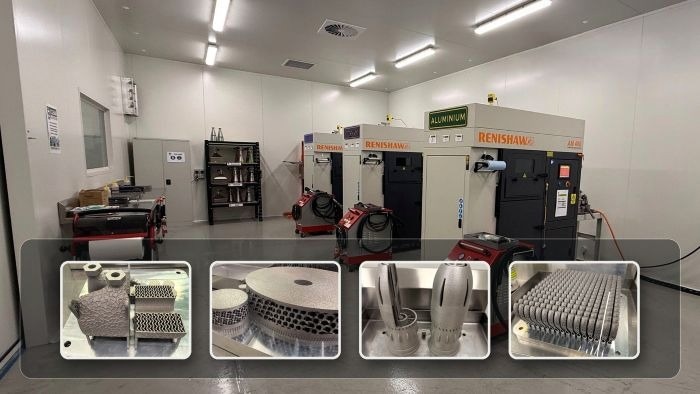 Image Credit: Stärke Advanced Manufacturing Group
Led by Stärke-AMG and Flinders University, the four-year initiative will develop the manufacturing processes, qualification data and quality frameworks needed to produce certified metal additive manufactured components in Australia. Adelaide University and Metal Powder Works will contribute specialist expertise in materials development, powder characterization and process optimization.
The project addresses one of the key barriers to wider additive manufacturing adoption: bridging the gap between prototype development and the production of qualified components that meet industry requirements.
By closing this capability gap, the project will help establish the local manufacturing capacity needed to produce advanced metal components for defense, maritime and medical applications, reducing reliance on overseas supply chains and supporting the growth of Australian industry.
For Stärke-AMG, the project marks a strategic step beyond prototyping and towards becoming a qualified manufacturing partner for high-value defense, maritime, space and healthcare markets.
Stärke-AMG CEO Al Jawhari said the project would help build the systems and technical evidence required to meet the demands of regulated industries.
"The opportunity is not in printing parts, it's in qualified production”, Mr Jawhari said.
“Defense and medical customers need suppliers that can deliver repeatable components with complete traceability and quality assurance.”
“This project will help establish that capability in Australia, opening new opportunities for local industry while strengthening sovereign supply chains for critical components."
Leading the research effort, Flinders University will develop the material science, qualification methodologies and performance datasets needed to understand, validate and qualify advanced alloys for defense and medical applications.
Flinders University Research Lead Professor Maziar Ramezani said the project would help bridge the gap between additive manufacturing research and industrial deployment.
"Australia has developed significant expertise in additive manufacturing, but greater understanding of process reliability, material performance and qualification requirements is needed to support widespread industrial adoption”, Professor Ramezani said.
“This project will provide the research foundation required to accelerate the use of additive manufacturing in critical defense and medical applications."
Using three Renishaw AM400 systems, the project will establish production-ready pathways for a range of strategic alloys used in defense, shipbuilding and medical technologies, creating a pathway from prototype development to qualified production.
AMCRC Managing Director Simon Marriott said the project addresses an important barrier to sovereign manufacturing.
“Australia cannot build sovereign manufacturing capability without the ability to qualify and produce critical components locally,” Mr Marriott said.
“This project brings together industry and research to create the data, processes and manufacturing capability needed to accelerate adoption across defense, maritime and medical sectors.”
By project completion, the consortium aims to deliver qualified manufacturing workflows, certification-ready datasets and production demonstrators that support sovereign manufacturing capability and reduce reliance on imported components in strategically important sectors.