Rising concerns over energy efficiency and environmental impact have intensified interest in advanced, low-density materials. Among them, graphene and silica aerogels stand out for their extreme porosity, large surface area, and tunable functionality.
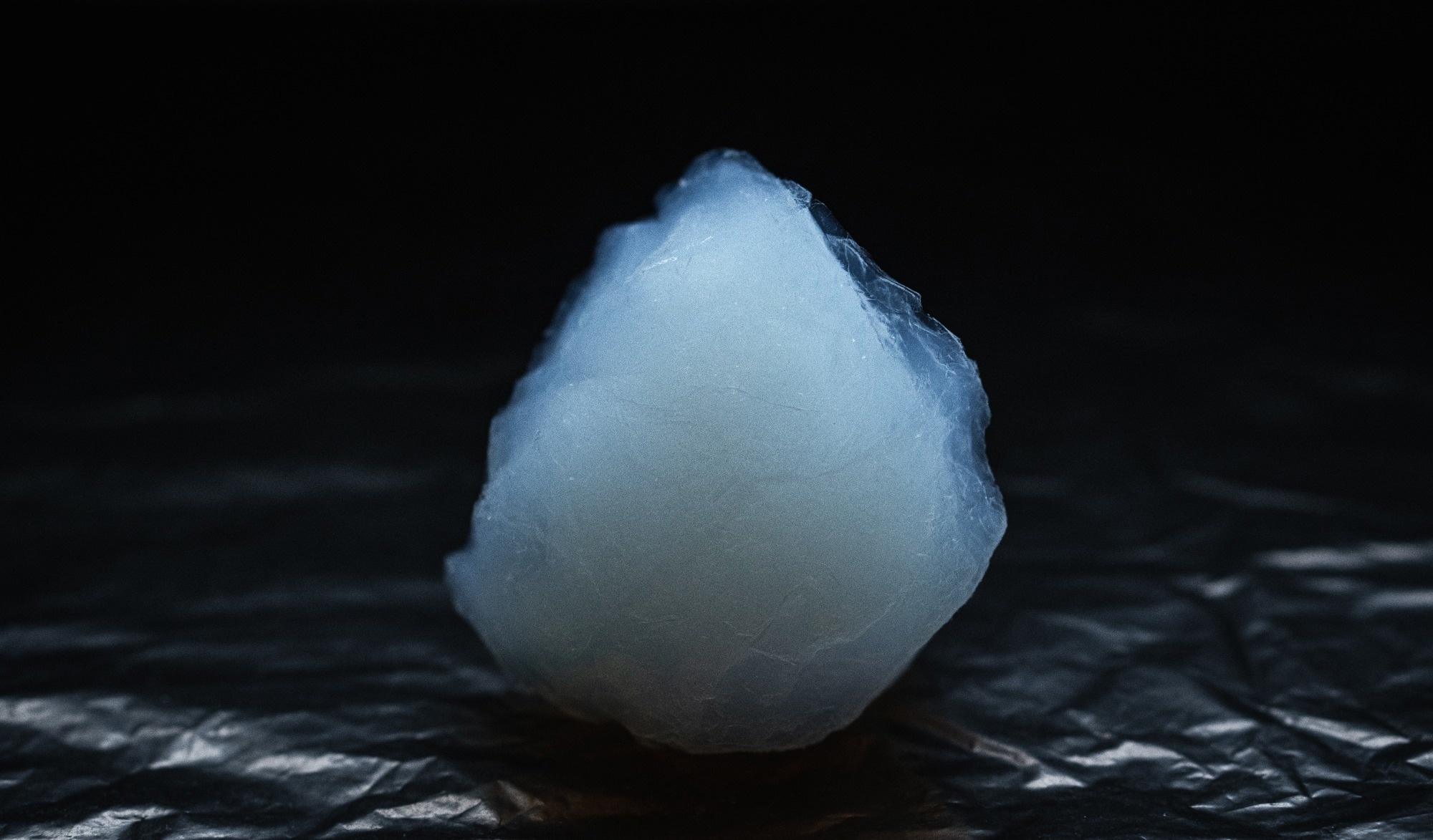 Image Credit: Alexandr Shlikhta/Shutterstock.com
What are Aerogels?
Aerogels are three-dimensional, nanoporous solid materials formed by replacing the liquid component of a gel with gas, while preserving the solid network. Their characteristic structure yields exceptionally high porosity (up to 99.8 %), large specific surface area (typically 500-1200 m2 g-1), and a very low thermal conductivity (~0.005 W m-1 K-1) and density (~0.003 g cm-3).
Aerogels also possess tunable surface chemistry and can be fabricated in a wide variety of compositions and macroscopic forms.
These properties underpin their use in thermal insulation, energy storage, acoustic damping, and more.1,2
Get all the details: Grab your PDF here!
Historical Background
Aerogels were first synthesized in 1931 by Samuel Kistler, who used sodium silicate and supercritical drying to preserve the gel network. This was advanced in 1960, when Teichner and colleagues developed silica aerogels from alkoxide precursors such as tetramethyl orthosilicate, simplifying the process and improving material purity.
Pekala et al. brought the material up to speed in 1989, when they introduced organic and carbon-based aerogels. This established aerogels as a material beyond purely inorganic systems.
Continued advances in precursor selection, processing strategies, and drying techniques have enabled the rapid diversification and improved their scalability for engineering applications.2
Silica-based Aerogels
Silica-based aerogels are inorganic materials primarily composed of silicon dioxide, and typically synthesized from TEOS, TMOS, or MTMS precursors via sol-gel processing.
In the sol-gel process, hydrolysis and condensation reactions form a wet gel, which is aged to strengthen the network before solvent removal through supercritical or ambient-pressure drying.
The resulting materials exhibit a high surface area, high porosity, and low density as is typical of aerogels, with an accompanying low thermal conductivity (0.005-0.1 W/m K), low refractive index (~1.05), and dielectric constant (k = 1.0-2.0) that makes them suitable for thermal insulation, dielectric applications in supercapacitors, and optical uses.4,5
Despite these advantages, silica aerogels face significant challenges in practical applications and commercialization due to their inherent brittleness and complex processing, which can result in fractures in the final material.
To overcome these limitations, silica-based aerogels are reinforced through hybridization with organically modified silica (ORMOSIL) precursors, such as poly(dimethylsiloxane), or by incorporating fibrous supports, including polymeric fibers, carbon nanofibers, or fiberglass, which enhance mechanical strength while maintaining the aerogel’s desirable properties.6
Graphene-based Aerogels
Since graphene's discovery in 2004, its exceptional mechanical strength, electrical conductivity, and low mass density have motivated the development of graphene-based aerogels.
These materials are typically produced from graphene oxide dispersions, which readily form wet gels. Chemical or physical reduction methods, including hydrothermal treatment, photoreduction, or microwave irradiation, partially restore the sp2 carbon network, generating a 3D, electrically conductive framework. Subsequent freeze-drying or supercritical CO2 drying preserves the porous architecture.
Graphene aerogels combine low density with high electrical conductivity, mechanical resilience, and thermal stability. However, synthesis remains relatively energy-intensive and costly, and achieving consistent large-scale production with tailored properties remains an active area of research.1,7,8
Sustainable Applications of Graphene and Silica Aerogels
Carbon Capture
Graphene aerogels exhibit high CO2 adsorption capacities and good cyclic stability. Oxygen-containing surface groups promote adsorption through dipole-quadrupole interactions, while further functionalization, such as with amine groups, can enhance selectivity and uptake.
Their processability into monoliths, powders, or films supports integration into adsorption-based carbon capture systems.7
Wastewater treatment
Graphene aerogels are highly effective in wastewater treatment and have been reported as high-performing absorbers of Cu2+, Pb2+, and Cd2+, which are toxic and non-biodegradable contaminants commonly found in industrial effluents.
They have also shown rapid uptake of radioactive species, including cesium and iodine ions, with reported regeneration efficiencies approaching 95 %, highlighting their potential for repeated use in nuclear wastewater treatment.3
Energy storage applications
Silica aerogels have been explored as fillers in solid polymer electrolytes for lithium-ion batteries. Their high surface area promotes the dissociation of lithium salts and increases electrolyte uptake, improving both ionic conductivity and mechanical stability. In PEIO-PMMA electrolytes, the addition of 8 wt.% % silica aerogel has been reported to increase RTP ionic conductivity to approximately 1.35 × 10 -4 S cm -1 at 30 °C.9
Graphene aerogels also show promise as conductive frameworks in batteries and supercapacitors. For example, sulfur/graphene aerogels coated with conductive polymers such as polypyrrole have demonstrated stable cycling and high discharge capacities in lithium-sulfur batteries.10
Thermal Insulation of Buildings
Silica aerogels exhibit the lowest thermal conductivity among known insulators at atmospheric pressure, significantly outperforming air (0.025 W m-1 K-1) and conventional insulation materials.
This makes them highly suitable for a range of building applications, including lightweight insulation for high-rise structures, roof and window insulation, and thermal layers in industrial and residential buildings.
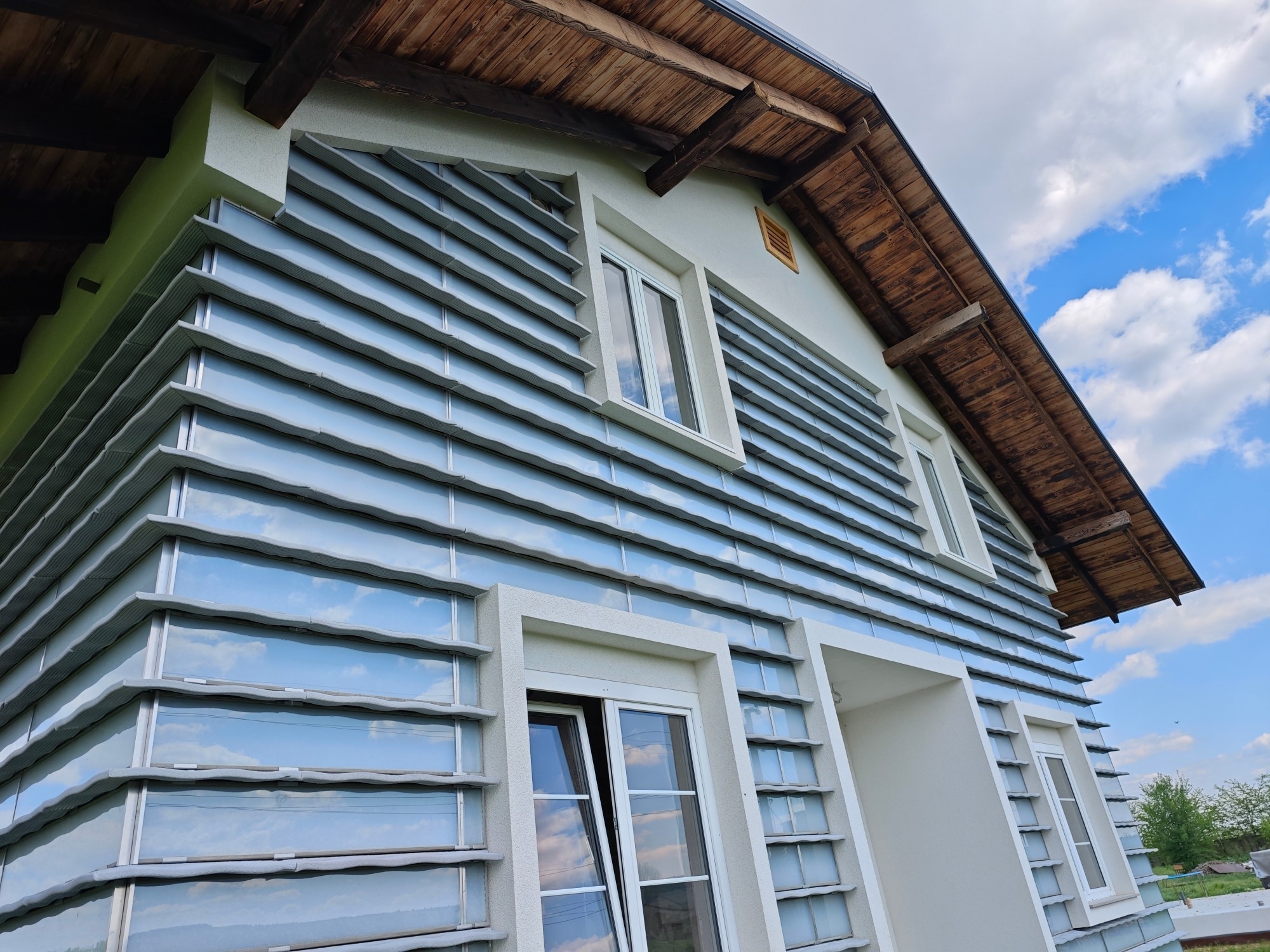 Image Credit: dirk922/Shutterstock.com
Recent research has shown that using silica aerogel insulation in walls and windows can reduce average energy consumption by approximately 20.9 % compared to traditional insulation, with heat loss through windows decreasing by about 39.1 % and through walls by 13.3 %.
This reduces reliance on energy-intensive heating and cooling systems, lowers greenhouse gas emissions, and contributes to more sustainable and cost-effective building operations.11
Saving this article for later? Grab a PDF here.
Conclusion
Graphene and silica aerogels offer compelling combinations of low density, high surface area, and tunable functionality, enabling applications across energy storage, environmental remediation, and thermal insulation. Despite steady progress, challenges persist in terms of cost, scalability, and mechanical durability.
Continued advances in processing and composite design will be critical to translating laboratory-scale performance into widespread industrial use.
References and Further Reading
- Yang, Z., Hu, Q., Wang, L., Cao, J., Song, J., Song, L., & Zhang, Y. (2025). Recent advances in the synthesis and application of graphene aerogel and silica aerogel for environment and energy storage: A review. Journal of Environmental Management, 377, 124668. https://doi.org/10.1016/j.jenvman.2025.124668
- Cui, B., Ju, X., Ma, H., Meng, S., Liu, Y., Wang, J., Wang, D., & Yang, Z. (2025). Aerogel-based carbon capture materials: Research progress and application prospects. Separation and Purification Technology, 354, 128794. https://doi.org/10.1016/j.seppur.2024.128794
- Pinelli, F., Piras, C., & Rossi, F. (2022). A perspective on graphene based aerogels and their environmental applications. FlatChem, 36, 100449. https://doi.org/10.1016/j.flatc.2022.100449
- Rashid, A. B., Shishir, S. I., Mahfuz, M. A., Hossain, M. T., & Hoque, M. E. (2023). Silica Aerogel: Synthesis, Characterization, Applications, and Recent Advancements. Particle & Particle Systems Characterization, 40(6), 2200186. https://doi.org/10.1002/ppsc.202200186
- Lei, J., Zheng, S., Han, Z., Niu, Y., Pan, D., Liu, H., Liu, C., & Shen, C. (2024). A Brief Review on the Preparation and Application of Silica Aerogel. Engineered Science, Volume 30, 1214. https://dx.doi.org/10.30919/es1214
- Alves, P., Dias, D. A., & Pontinha, A. D. (2021). Silica Aerogel-Rubber Composite: A Sustainable Alternative for Buildings’ Thermal Insulation. Molecules, 27(20), 7127. https://doi.org/10.3390/molecules27207127
- C:/Users/Ali/Desktop/Owais/Imp/Freelance/AZO/editorial/Graphene%20vs%20Silica%20Aerogels/1-s2.0-S2667056921000420-main.pdf
- Nassar, G., Daou, E., Najjar, R., Bassil, M., & Habchi, R. (2021). A review on the current research on graphene-based aerogels and their applications. Carbon Trends, 4, 100065. https://doi.org/10.1016/j.cartre.2021.100065
- Trembecka-Wójciga, K., Sobczak, J.J. & Sobczak, N. (2023). A comprehensive review of graphene-based aerogels for biomedical applications. The impact of synthesis parameters onto material microstructure and porosity. Archiv.Civ.Mech.Eng 23, 133. https://doi.org/10.1007/s43452-023-00650-6
- Lim, Y. S., Jung, H., & Hwang, H. (2018). Fabrication of PEO-PMMA-LiClO4-Based Solid Polymer Electrolytes Containing Silica Aerogel Particles for All-Solid-State Lithium Batteries. Energies, 11(10), 2559. https://doi.org/10.3390/en11102559
- Wei, D., Liu, X., Lv, S., Liu, L., Wu, L., Li, Z., & Hou, Y. (2021). Fabrication, Structure, Performance, and Application of Graphene-Based Composite Aerogel. Materials, 15(1), 299. https://doi.org/10.3390/ma15010299
- Thie, C., Quallen, S., Ibrahim, A., Xing, T., & Johnson, B. (2023). Study of Energy Saving Using Silica Aerogel Insulation in a Residential Building. Gels (Basel, Switzerland), 9(2), 86. https://doi.org/10.3390/gels9020086
Disclaimer: The views expressed here are those of the author expressed in their private capacity and do not necessarily represent the views of AZoM.com Limited T/A AZoNetwork the owner and operator of this website. This disclaimer forms part of the Terms and conditions of use of this website.