Evidenced in recent studies, biogenic materials have emerged as versatile tools for antimicrobial treatments, regenerative medicine, and sustainable construction.
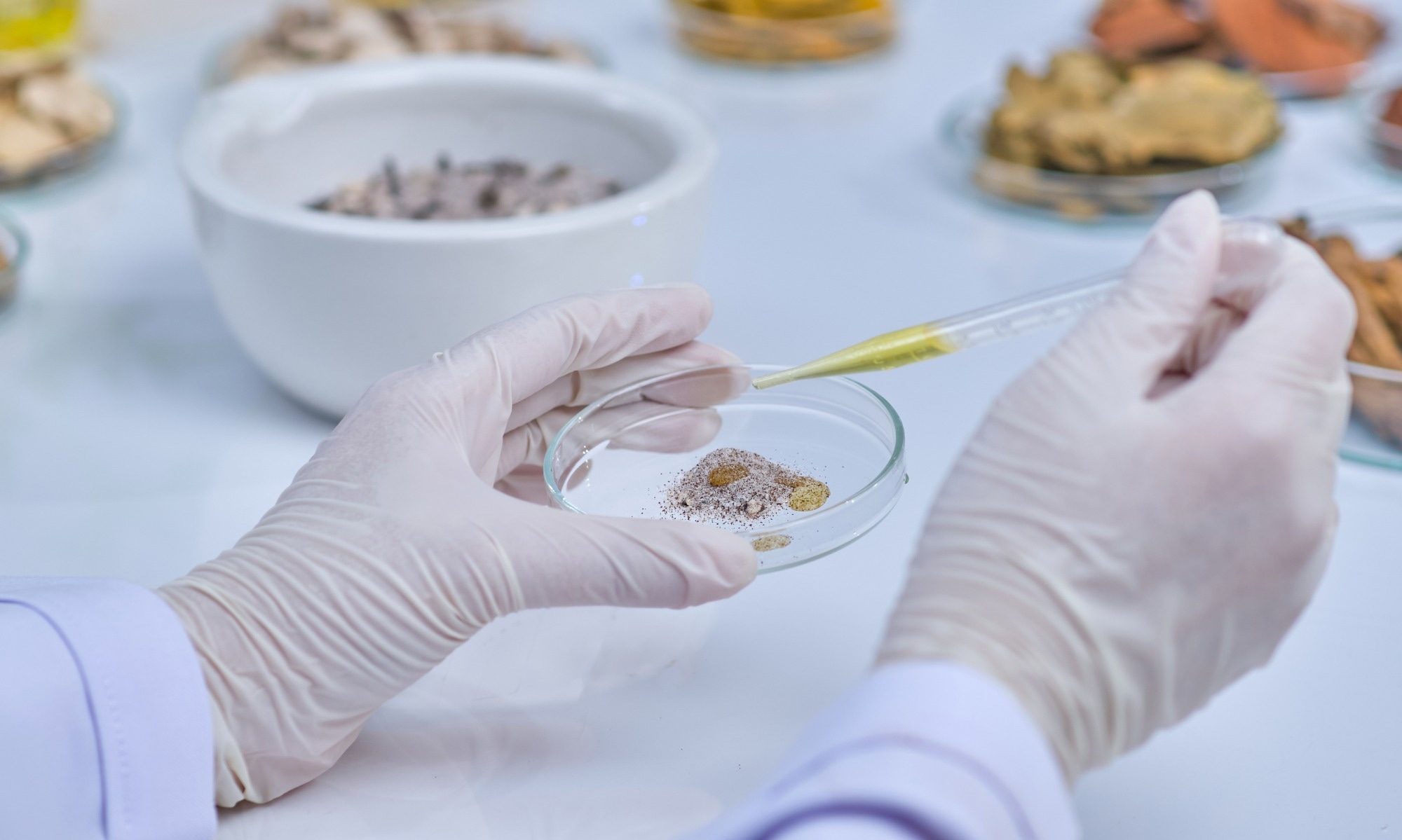 Image Credit: Light Stock/Shutterstock.com
These materials are produced through metabolic pathways, cellular secretions, or even the structural assembly of living tissue. Biogenics are primarily derived from biological sources, such as plants, animals, and microorganisms.
Get all the details: Grab your PDF here!
Biogenic Materials: What Are They?
Biogenic materials are defined as any substance that originates from a living entity. This definition includes macro-scale materials such as timber, wool, and silk, but also extends to microscopic and molecular structures like bioplastics, bacterial cellulose, and mineralized tissues.
Plant-Based Biogenic Nanoparticles in Biomedical Research
A 2024 study reported the use of an aqueous extract of Rhynchosia capitata as a natural reducing and stabilizing agent to synthesize silver oxide nanoparticles through a biogenic route.
The AgONPs produced were characterized using a combination of spectroscopic and microscopic techniques to confirm their size, morphology, and crystalline structure.
Biological evaluation revealed a strong antimicrobial activity of the biogenic nanoparticles against both Gram-positive and Gram-negative bacteria, along with notable antioxidant capacity. Cytotoxicity assays indicated a dose-dependent anticancer effect against selected cancer cell lines.
This study demonstrates how biogenic materials can serve as a sustainable alternative in nanomaterial synthesis and also function as functional components in biomedical applications, including antimicrobial coatings, therapeutic agents, and bioactive formulations. 1
Similarly, a 2025 study explored the eco-friendly synthesis of silver oxide nanoparticles (Ag2O NPs) using aqueous extract of Eruca sativa as both the reducing and stabilizing agent.
In this work, the team characterized the nanoparticles’ size, structure, surface charge, and stability with techniques like UV/Vis spectroscopy, TEM imaging, X-ray diffraction, and zeta potential measurements.
They then tested the biological activity of these biogenic Ag2O NPs, finding that they exhibited strong antioxidant activity (via DPPH and other assays), dose-dependent antibacterial and antifungal effects against multiple pathogenic strains, and cytotoxicity toward cancer cells while showing relative biocompatibility at lower concentrations in normal cell lines.
The results suggest that E. sativa-mediated silver oxide nanoparticles could provide a multifunctional platform for biomedical applications, including potential therapeutic, antimicrobial, and drug-delivery roles.2
Biogenic Materials in Tissue Engineering and Regenerative Medicine
Biogenic materials are also being explored as biomimetic, functional scaffolds that interact more naturally with biological systems than many synthetic alternatives.
In a recent review paper, researchers examined how naturally derived polymers such as collagen, chitosan, alginate, and cellulose can be engineered to resemble the structure and function of native extracellular matrices.
The paper reviewed how these materials support cell adhesion, proliferation, and differentiation due to their inherent biocompatibility and biochemical cues.
The researchers also emphasized applications in bone, cartilage, skin, and vascular tissue regeneration, noting that biogenic scaffolds can be tailored in terms of porosity, stiffness, and degradation rate to match specific tissue requirements. 3
Saving this article for later? Grab a PDF here.
Biogenic Porous Scaffolds Mimicking Bone Architecture
There are further biomedical uses for biogenic materials. In one paper, researchers have developed biomorphic, hierarchically porous bone scaffolds by transforming natural wood templates into bioceramic materials that closely mimic the multi-scale architecture of real bone.
In the research, a biomorphic process transforms wood such as rattan, through pyrolysis and chemical conversion, into a 3D hydroxyapatite (B-HA) scaffold. The scaffold retains the original wood’s longitudinal vascular channels and interconnected porous network, resulting in high porosity (~60 %) and aligned macro- and micro-scale pores, ideal for cell migration and nutrient transport.
These biogenic scaffolds show comparable mechanical properties and ductility to natural bone and also support bone regeneration in both in vitro and in vivo models without needing additional growth factors or cells. This is due to their intrinsic bioactivity and highly interconnected structure that enhances vascular ingrowth and osteoinductive activity. 4
Biogenic Materials in Modern Construction
 Image Credit: Jarama/Shutterstock.com
A 2023 review of biogenic building materials evaluated a wide range of plant-derived and natural fibre materials such as hemp, straw, cork, alfalfa, and date palm wood. It examined their use in building envelopes to improve energy efficiency and reduce environmental impact.
These bio-based materials provide renewable, low-embodied-energy alternatives to conventional construction products such as concrete and synthetic insulation, with the capacity to store biogenic carbon absorbed during plant growth and moderate thermal loads in buildings through excellent thermal regulation.
They lower heating and cooling requirements by reducing heat transfer through walls and roofs, improve indoor comfort, and help cut operational energy use in both residential and commercial structures.
These materials contribute to lower lifecycle carbon emissions and less non-degradable waste, which makes them suitable options for sustainable, climate-responsive building design. 5
Overall Considerations
Biogenic materials provide a potential solution to some of the most pressing challenges of the twenty-first century, including the plastic pollution crisis, the need for sustainable housing, and advanced medical care.
Their significance lies not only in their biological origin but in the ways their structures and properties can be adapted for specific functional needs.
Understanding how organisms assemble matter at the molecular level enables the development of product processes that are functional, durable, and inherently compatible with the Earth’s natural cycles.
References
- Ullah, Z. et al. (2024). Biogenic synthesis, characterization, and in vitro biological investigation of silver oxide nanoparticles (AgONPs) using Rhynchosia capitata. Scientific Reports. https://doi.org/10.1038/s41598-024-60694-3
- Gul, F. et al. (2025). Ecofriendly synthesis characterization and biological activities of Eruca sativa mediated silver oxide nanoparticles. Scientific Reports. https://doi.org/10.1038/s41598-025-87670-9
- Liu, S. et al. (2023). Biomimetic natural biomaterials for tissue engineering and regenerative medicine: new biosynthesis methods, recent advances, and emerging applications. Military Medical Research. https://doi.org/10.1186/s40779-023-00448-w
- Sprio, S. et al. (2020). Hierarchical porosity inherited by natural sources affects the mechanical and biological behaviour of bone scaffolds. Journal of the European Ceramic Society. https://doi.org/10.48550/arXiv.2106.12877
- Bourbia, S., Kazeoui, H., & Belarbi, R. (2023). A review on recent research on bio-based building materials and their applications. Materials for Renewable and Sustainable Energy. https://doi.org/10.1007/s40243-023-00234-7
Disclaimer: The views expressed here are those of the author expressed in their private capacity and do not necessarily represent the views of AZoM.com Limited T/A AZoNetwork the owner and operator of this website. This disclaimer forms part of the Terms and conditions of use of this website.