Scientists at the University of St Andrews have discovered a molecular “reshuffle”, a breakthrough that addresses a major challenge in chemistry and could transform medical production.
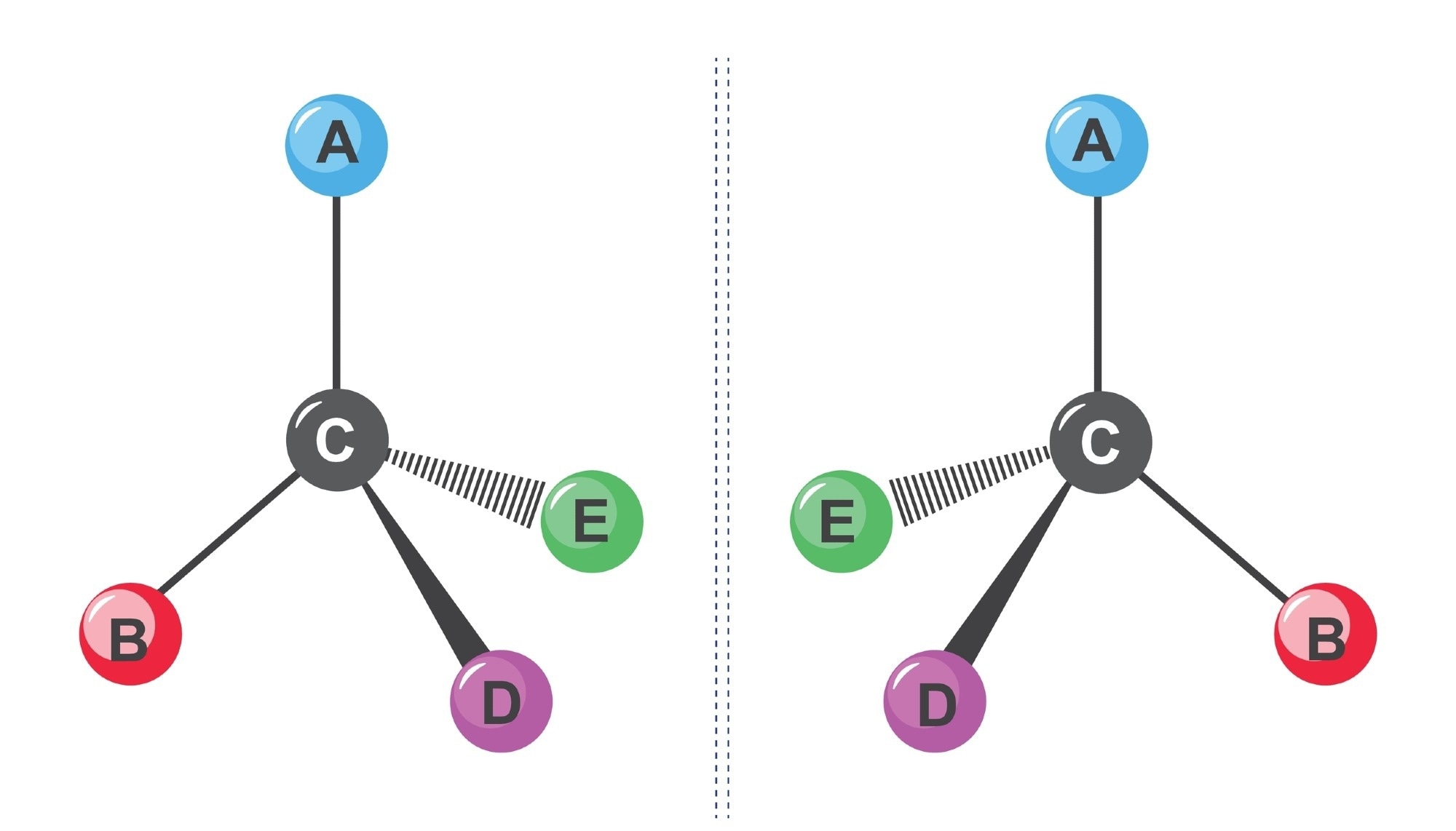
Study: The catalytic enantioselective [1,2]-Wittig rearrangement cascade of allylic ethers. Image Credit: SANDIP NEOGI/Shutterstock.com
Published in Nature Chemistry, researchers at St Andrews have found a key to solving an 80-year-old chemical puzzle, which could have significant implications for fine chemical processes, such as those used in the production of pharmaceuticals.
Chiral molecules are asymmetric, meaning they cannot be superimposed on their mirror image. Each side is distinct, existing in "right-hand" and "left-hand" forms. Often, only one of these "handed" forms possesses the desired chemical or biological activity, whereas the other may have undesirable side effects.
Through a blend of lab tests and quantum chemistry computations, scientists have uncovered a novel method to manage the chirality of a challenging chemical reaction, the “[1,2]-Wittig rearrangement.” This new understanding of the process may influence how researchers devise selective chemical reactions, like those in pharmaceutical production or cutting-edge materials.
Discovered more than 80 years ago, the Wittig rearrangement moves atoms around a molecule in a selective manner. However, it was historically viewed as too unpredictable for control, rendering it nearly unusable.
Researchers from St Andrews, collaborating with colleagues at the University of Bath, found that a catalyst initially guides the molecule through an asymmetric rearrangement, establishing its "handedness." This is then followed by a previously unknown molecular reshuffle that preserves molecular chirality.
This discovery represents a fundamental shift in how we understand and control stereochemistry in rearrangement reactions.
Andrew Smith, Study Lead Author and Professor, University of St Andrews
Co-lead Dr. Matthew Grayson from the University of Bath adds: “Our findings open the door to new asymmetric transformations based on mechanistic pathways that chemists previously dismissed as inaccessible.”
Journal Reference:
Kang, T., et al. (2026) The catalytic enantioselective [1,2]-Wittig rearrangement cascade of allylic ethers. Nature Chemistry. DOI: 10.1038/s41557-025-02022-4.