The Mixer Mill MM 400 is a fast, user-friendly, and versatile laboratory mill developed for wet, dry, and cryogenic grinding of small sample volumes of up to 2 x 20 mL. It operates at a frequency of 30 Hz and homogenizes suspensions and powders within seconds.
The compact benchtop model is designed to suit both standard homogenization processes and biological cell disruption, enabling protein, DNA, and RNA extraction. The system can be operated for as long as 99 hours and can be applied in various research applications, including mechanochemistry.
The technology is unique in its flexibility and performance compared to other technologies available in the market.
Other mixer mill models include MM 500 vario and MM 500 nano, which operate at 35 Hz and use the same principle but offer improved performance. The Mixer Mill MM 500 is suitable for handling samples that require heating or cooling. Each RETSCH mixer mill has been designed for a specific end-use.
Mixer Mill MM 400 Introduction - Retsch
Video Credit: Retsch GmbH
The Most Versatile All-Rounder of Ball Mills
- Horizontal oscillation generates high-force impacts that deliver efficient sample processing
- Steel jars can be pre-cooled manually in liquid nitrogen
- Up to 8 mm feed size and 5 µm final fineness
- Two grinding stations for jars of minimum 2 mL and maximum 50 mL, adapter for 10 x 2 mL single-use vials, and four x 50 mL conical centrifugation tubes
- Maximum speed of 30 Hz
- Calibrated speed and time, small benchtop model, storable standard operating procedures and cycle programs, seven different jar materials
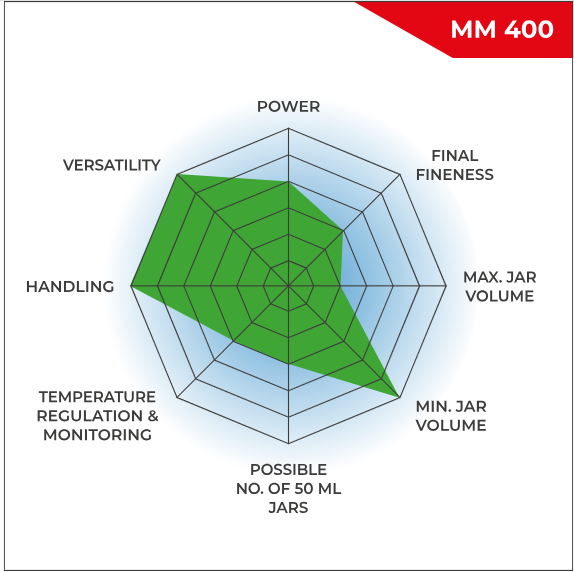
Image Credit: Retsch GmbH
Performance and Design
- Convenient touch display, substantial noise reduction
- Designed with two grinding stations for up to 20 samples per run
- Powerful size reduction and homogenization by impact and friction with up to 30 Hz
- Memory for 12 standard operating procedures and six program cycles
Unmatched Versatility
- Extraction of herbal ingredients and pesticides (QuEChERS)
- Mixes powdered sample and binder in plastic vessels before pelletizing, e. g., for XRF analysis
- Three different grinding modes: wet, dry, or cryogenic
- Ideal for biological cell disruption by bead beating or for research applications such as mechanochemistry
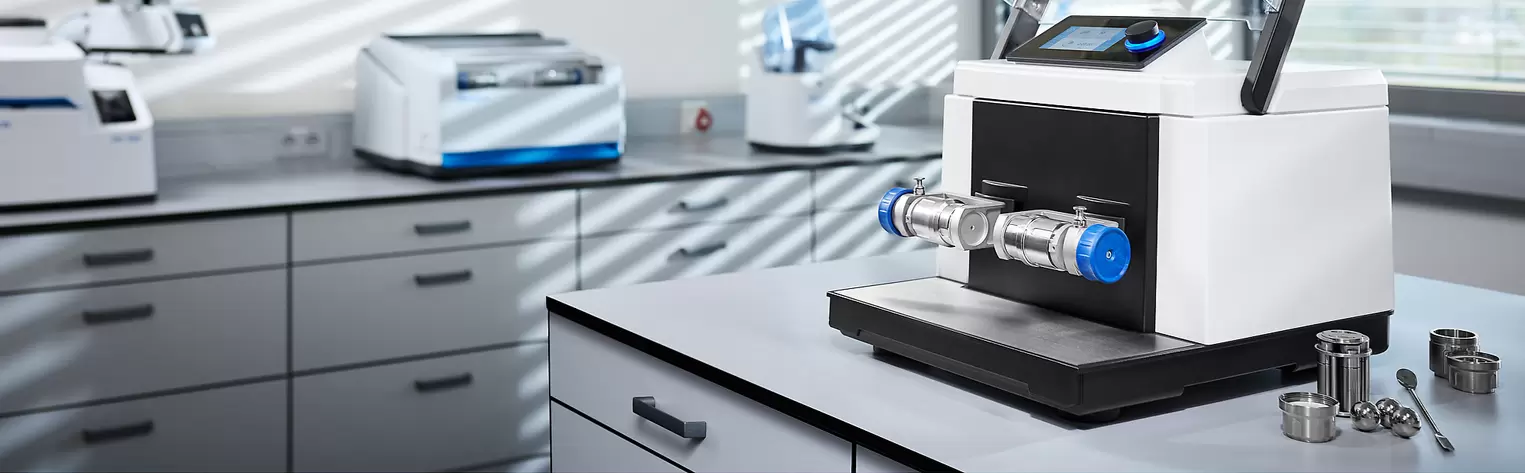
Image Credit: Retsch GmbH
Calibration Ensures Reproducible Results
Reproducibility is critical across any process chain, from sampling to analysis. If a lab instrument can be calibrated, it will guarantee reproducible results with minimum standard deviation each time, enabling users to compare results collected at various locations.
The MM 400 is the first laboratory mill that can be calibrated. RETSCH initially calibrates the frequency and time of the mill and provides a regular calibration service to ensure reproducible milling processes.
This feature is suitable for
- Accredited labs applying ISO 9000ff or ISO/IEC 17025
- Testing labs with different locations
- Pharmaceutical products
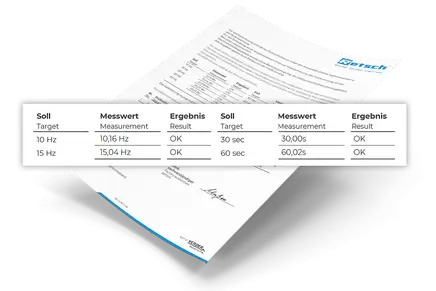
Image Credit: Retsch GmbH
Reproducibility of Mechanochemical Reactions in the Mixer Mill MM 400
Reproducibility is a fundamental principle in scientific research and is critical to ensuring the reliability and credibility of scientific findings. The Mixer Mill MM 400 was tested for reproducibility in a mechanochemical reaction, and it was shown that the device exhibits high reproducibility across multiple experiments, between different devices, and for both clamping positions.
Minor deviations in operating frequency, for example from 30 Hz to 29 or 28 Hz, can significantly affect reaction yield; in light of this, the mixer mill maintains a set value (e.g., 30 Hz) and does not deviate from it. MM 400 also comes with a calibration certificate.
The mechanochemical reaction γ-Al2O3 + ZnO -> ZnAl2O4 was performed for 30 minutes using 25 mL grinding jars, 1 g of educts, and 2 x 15 mm grinding balls, at 28 Hz, 29 Hz, and 30 Hz five times in a row. The comparison between left and right clamping stations showed improved reproducible results, as well as the comparison between the five trials.
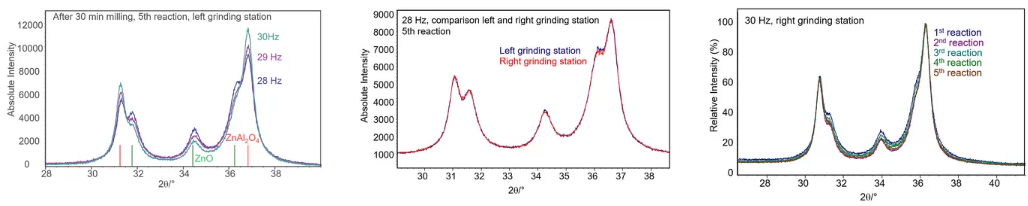
XRD patterns after the mechanochemical reaction γ-Al2O3 + ZnO -> ZnAl2O4: Left: Grinding at 28 Hz, 29 Hz, and 30 Hz, results after the fifth reaction. Middle: Comparison of the left and right grinding stations at 28 Hz, fifth reaction each. Right: Reactions one to five at 30 Hz, right grinding station. Results presented by the group of Claudia Weidenthaler. Image Credit: Claudia Weidenthaler
The experimental studies were repeated using another MM 400 device to compare the results between the two mills. The second device also showed improved reproducibility for the five tests conducted at 30 Hz, for both the left and right grinding stations.
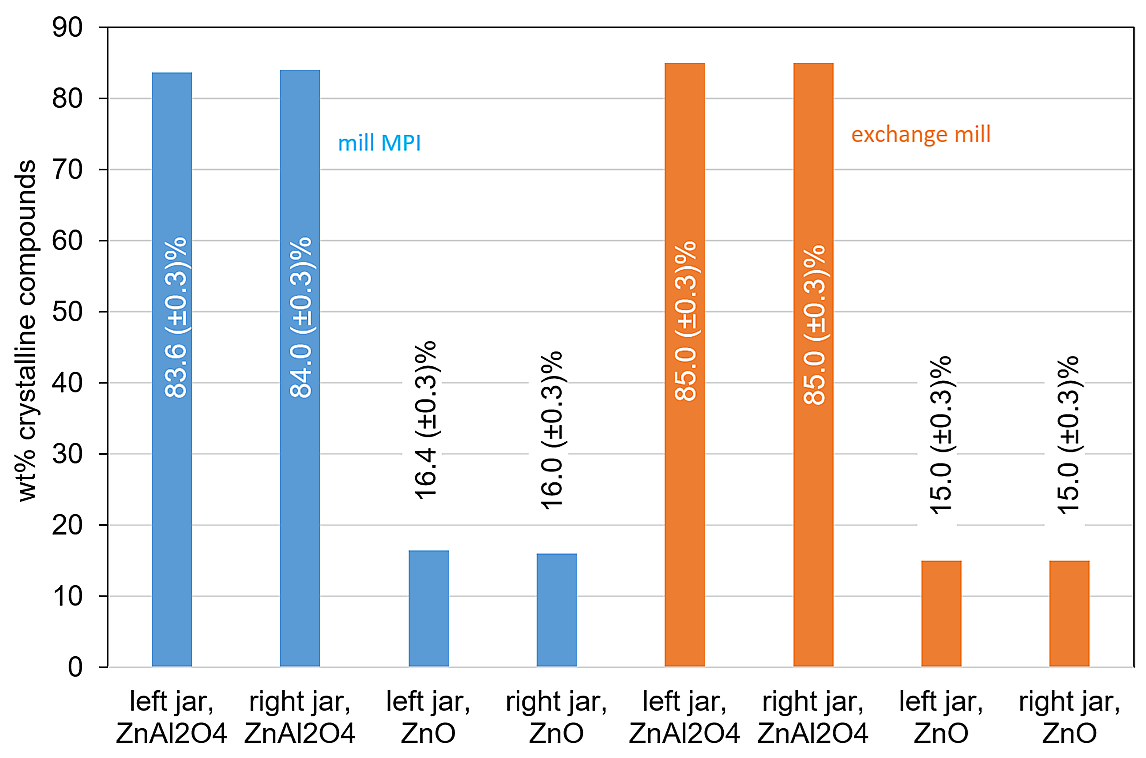
Almost identical results (weight % of educts and product) and reproducibility are obtained with a different MM 400 device. Results presented by the group of Claudia Weidenthaler. Image Credit: Claudia Weidenthaler
Solutions for Biological Applications and Cell Disruption
Mixer mills are commonly used to homogenize biological samples. A commonly used method is bead beating with small glass beads that disrupt cells of microalgae, yeasts, or bacteria. The process involves moderate warming of the samples, which is reduced to a minimum by pre-cooling.
The MM 400 enables efficient cell disruption of up to 240 mL cell suspension for protein, RNA, and DNA extraction. The system can also isolate intact bacteria from tissue in eight x 30 mL bottles or 10 x 5 mL vials by using adapters. This enables accurate diagnosis of infectious diseases.
The MM 400 can be operated using a wide range of adapters for single-use vials with the following capacities:
20 x 0.2 mL/20 x 1.5 or 2 mL/10 x 5 mL/eight x 30 mL/eight x 50 mL
Conical centrifuge tubes are used for pulverizing 25 to 30 g of plant material, such as cannabis flower. For homogenizing fresh liver tissues, up to eight samples in a buffer solution are processed in 50 mL tubes containing zirconium or steel oxide balls. To minimize mechanical stress on the vials, a high filling level, e.g., with sample and buffer, and a reduced frequency are recommended.
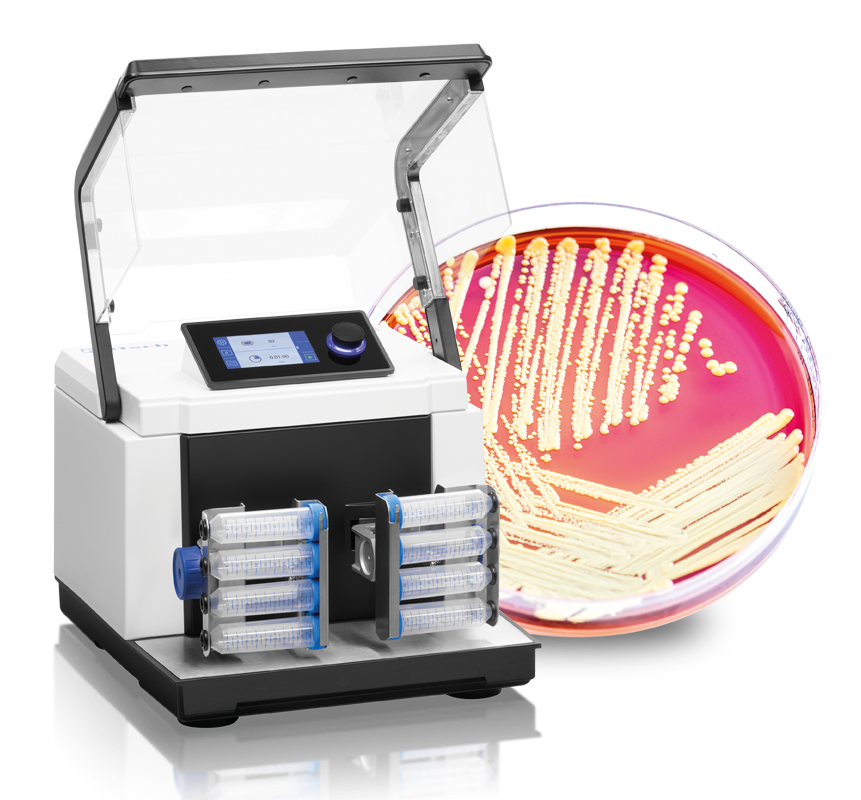
Image Credit: Retsch GmbH
Mixer Mill MM 400 - Yeast cell disruption #RETSCH #mixermill #laboratoryinstruments
Mixer Mill MM 400 - Yeast Cell Disruption*. Video Credit: Retsch GmbH
Homogenization of 8 samples of cannabis in 1 step with the MM400 mixer mill
Mixer Mill MM 400 - Homogenization of cannabis*. Video Credit: Retsch GmbH
*The video shows the previous model with identical functional principle.
Solutions for Cryogenic Grinding
The CryoKit is a cost-effective solution used along with the Mixer Mill MM 400 for sample processing in cryogenic conditions. The system consists of two insulated containers, safety glasses, and two tongs.
The sample to be ground and the grinding balls are added to the stainless steel grinding jar, and it is tightly screwed. Indirect grinding is carried out by subjecting the jar to pre-cooling conditions using a liquid nitrogen bath. The sample gets cooled in approximately two minutes and is ready for cryogenic processing.
If the user does not want to subject the sample to direct contact with liquid nitrogen, the Mixer Mill MM 500 or CryoMill can be used. Both mills can be operated using jars made of materials other than steel.
Mixer Mill MM 400 - Application with Liquid Nitrogen #RETSCH #mixermill #laboratoryinstruments
Mixer Mill MM 400 - Cryogenic Grinding. Video Credit: Retsch GmbH
Applications in Mechanochemistry
Mechanochemistry enables rapid reactions under solvent-free conditions. Some chemical reactions occur due to the frictional forces in a planetary ball mill, while others require impact-based energy input. The latter is possible through the Mixer Mill MM 400.
As research applications often involve very small sample volumes, the availability of 50 mL grinding jars for the MM 400 is highly advantageous. In addition, the option to program extended process times of several hours is essential for long‑duration reactions.
When compared to planetary ball mills, mixer mills have advantages in mechanochemical applications. These include the use of transparent jars that, when combined with the traditional horizontal jar movement, enable in situ Raman spectroscopy. This allows users to track the reaction process in real time to analyze the optimal time taken for increased yield and minimize long processing times.
The MM 400 offers many advantages for mechanochemical applications:
- Adapter for four x 5 mL stainless-steel grinding jars enables up to eight simultaneous reactions
- Transparent PMMA grinding jars allow in situ Raman spectroscopy
- Various grinding jar sizes and materials
- Process times of up to 99 hours
- Programmable frequency and break times
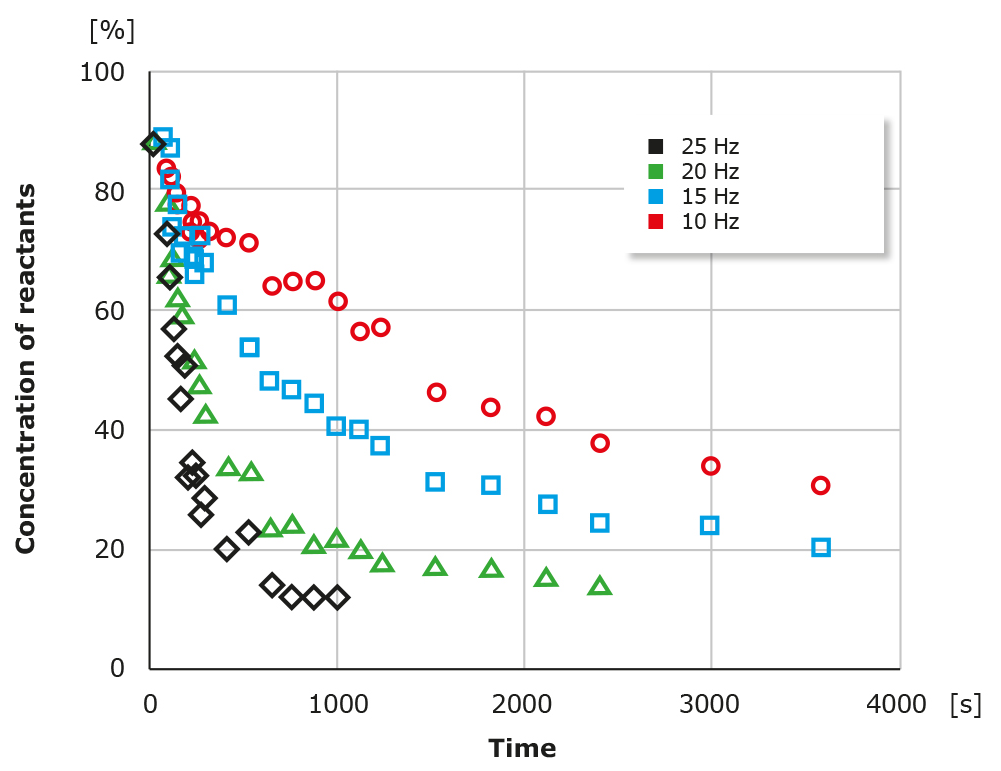
Time course of the Knoevenagel reaction between vanillin and barbituric acid under mechanochemical conditions using 2 × 10 mm zirconium oxide grinding balls in a 19 mL PMMA grinding jar at 30 Hz. The reaction ran over 30 minutes, with visible progress indicated by color change. Image Credit: Courtesy of Dr. Sven Grätz, Ruhr-University Bochum, Faculty of Chemistry and Biochemistry, AG Prof. Borchardt
Co-Crystal Screening with the MM 400
Mixer Mills also allow users to perform co-crystal screening. In an experimental study, the researchers used an MM 400, a PTFE adapter, and 2 mL steel tubes to co-crystallize benzamide and theophylline in a 1:1 ratio under the following conditions:
- Four experiments without solvent and four with 20 µL ethanol
- 30 Hz frequency
- 60-minute milling time
- One 6 mm steel ball per tube
The X‑ray powder diffraction patterns of the eight samples (shown in green) closely match the simulated reference of the target co‑crystal. All observed peaks correspond to the desired product, with no significant extraneous signals, confirming successful and reproducible co‑crystal formation.
The MM 400 with 2 mL steel tubes delivers consistent outcomes, and this compatibility extends to the MM 500 series, which also supports 2 mL steel tubes.
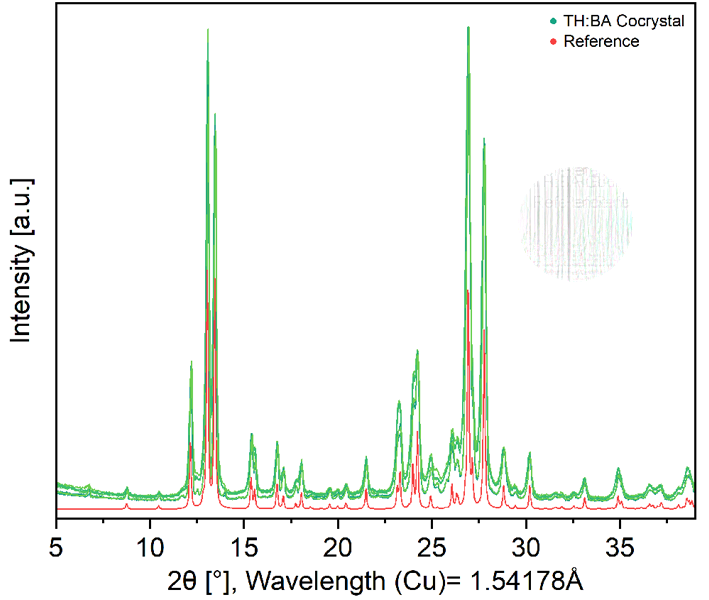
XRD patterns after the co-crystal formation of theophylline and benzamide after 60 minutes milling time in the MM 400 against a simulated reference. Results presented by experiments of Dominik Al-Sabbagh. Image Credit: Dominik Al-Sabbagh
Chemistry in the Mill: Teflon Recycling (PTFE) Using Mechanical Energy
Mechanochemical Recycling of PTFE (Teflon)
In addition to unlocking new synthetic pathways, mechanochemistry also paves the way for recycling complex, non-degradable materials. A research study has found that mechanochemistry can play a major role in degrading the stable polymer polytetrafluoroethylene (PTFE), also called Teflon.
The major factor is the application of continuous mechanical stress. When the material is subject to grinding using the RETSCH MM 400, the reacted surface is continuously removed, while exposing a new surface area. As a result, the reaction proceeds until most of the polymer is converted. In the experiment, up to 98% of the Teflon was converted into sodium fluoride and elemental carbon.
The resulting products can be further used either as fluorine-containing building blocks for agrochemical and pharmaceutical applications, or as raw materials for batteries.
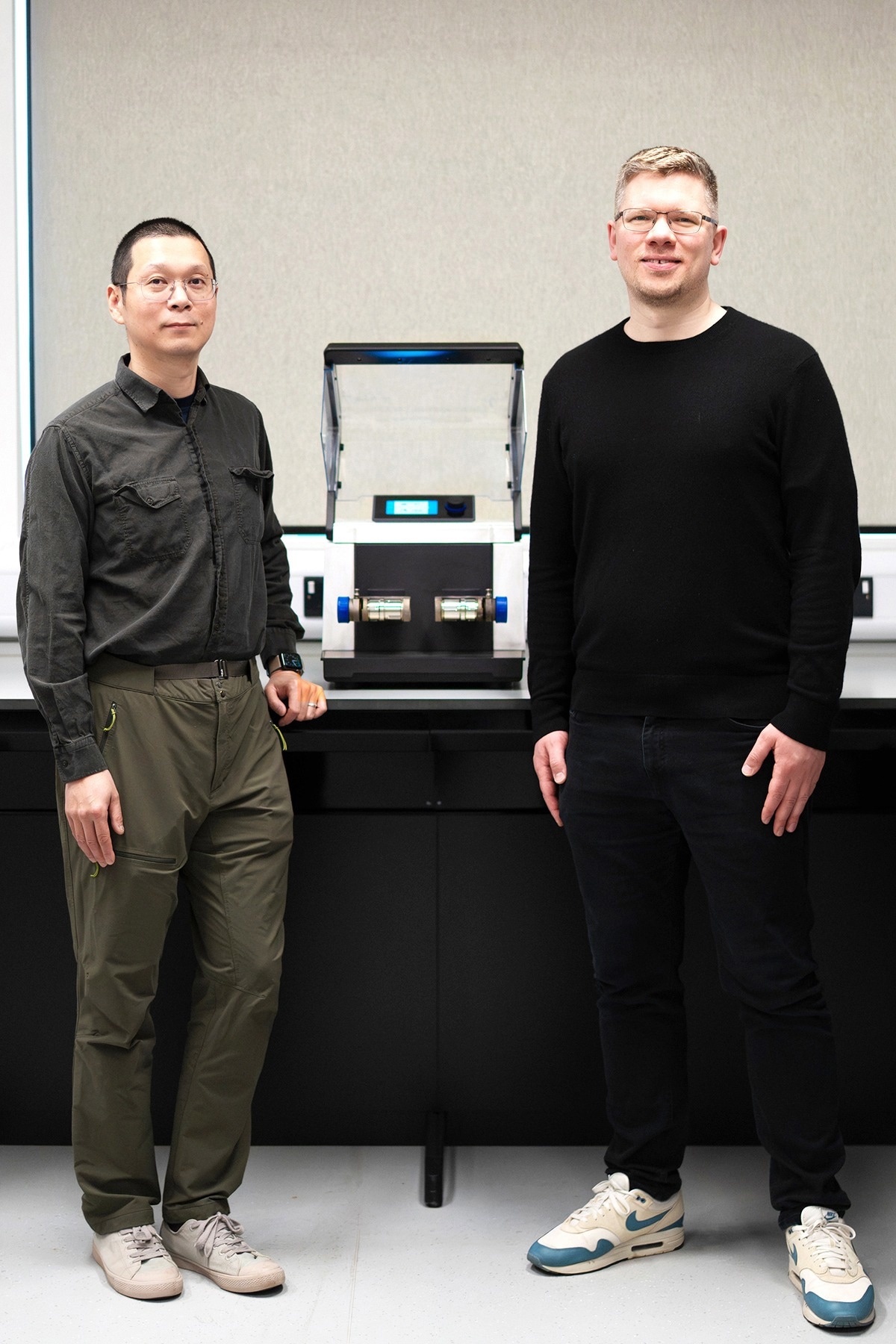
Dr. Erli Lu and Dr. Dominik Kubicki with the Mixer Mill MM 400, which was used to decompose PFAs. Image Credit: Retsch GmbH
The famous science program 'Forschung aktuell' on Deutschlandfunk radio presented this research study and its importance for future recycling techniques.
Functionalizing Biomass for Pharma Applications via Mechanochemistry
The field of mechanochemistry is revolutionizing the synthesis of functional biomaterials, and cationic cellulose exemplifies this transformation. Cotton fibers are processed without solvents, using a catalytic base and a small amount of additive. The mixture is ground with the Mixer Mill MM 400, with a cationic reagent added to activate the reaction.
This solid-state method does not require bulk solvents or water. When compared to conventional methods, the technology also minimizes waste generation and chemical consumption. A short aging step at the end of the milling process completes the reaction. The methodology results in the generation of high-performance cellulose fibers.
Ideal experimental conditions: Cotton fibers were ground in a 50 mL stainless steel jar with three x 10 mm balls for five minutes at 25 Hz. The cationic agent 2,3-Epoxypropyltrimethylammonium chloride (EPTMAC) was added, and the mixture was again subjected to milling for 30 minutes.
The aging process followed this, by treating the reaction mixture at 50 °C for 24 hours. The mixture was then processed using Soxhlet extraction for 48 h and freeze-drying, resulting in the isolation of pure cationic cotton fibers.
Why Is This Exciting for Pharma?
Cationic fibers have high electrostatic binding to viruses, allowing effective removal of pathogens from process streams and water. This enables industries to use these fibers for clean water applications and in sterile manufacturing.
Apart from their use in filtration, these fibers can also be employed for antimicrobial coatings, drug delivery, and bioprocessing aids. The process achieves excellent sustainability metrics aligned with green chemistry principles and industry goals, while enabling precise control of charge density for tailored functionality.
This innovative application demonstrates the ability of mechanochemistry to provide sustainable, high-value solutions for the pharmaceutical sector by integrating sustainability, efficiency, and safety into a single approach.
In Situ Raman spectroscopy
In situ Raman spectroscopy is an analytical method that monitors and analyzes materials in their natural or process conditions. The technology uses Raman scattering, which involves the interaction of light with molecular vibrations to cause shifts in the wavelength of the scattered light.
These shifts generate a distinctive spectral fingerprint for the material being researched, providing detailed insights about the material’s molecular structure and chemical composition.
The in situ concept denotes the technology’s ability to monitor and measure these characteristics during an ongoing process. This may involve monitoring changes that occur during various chemical reactions, including those driven by mechanochemistry.
Mechanochemistry is the process of deploying friction, impact, or shearing actions to induce chemical changes in solids. The technology is gaining prominence as an energy-efficient and eco-friendly method for synthesizing chemicals, as the process does not require the use of solvents.
Raman spectroscopy can provide detailed insights into phase transformations, optimization of reaction conditions, and reaction mechanisms and kinetics.
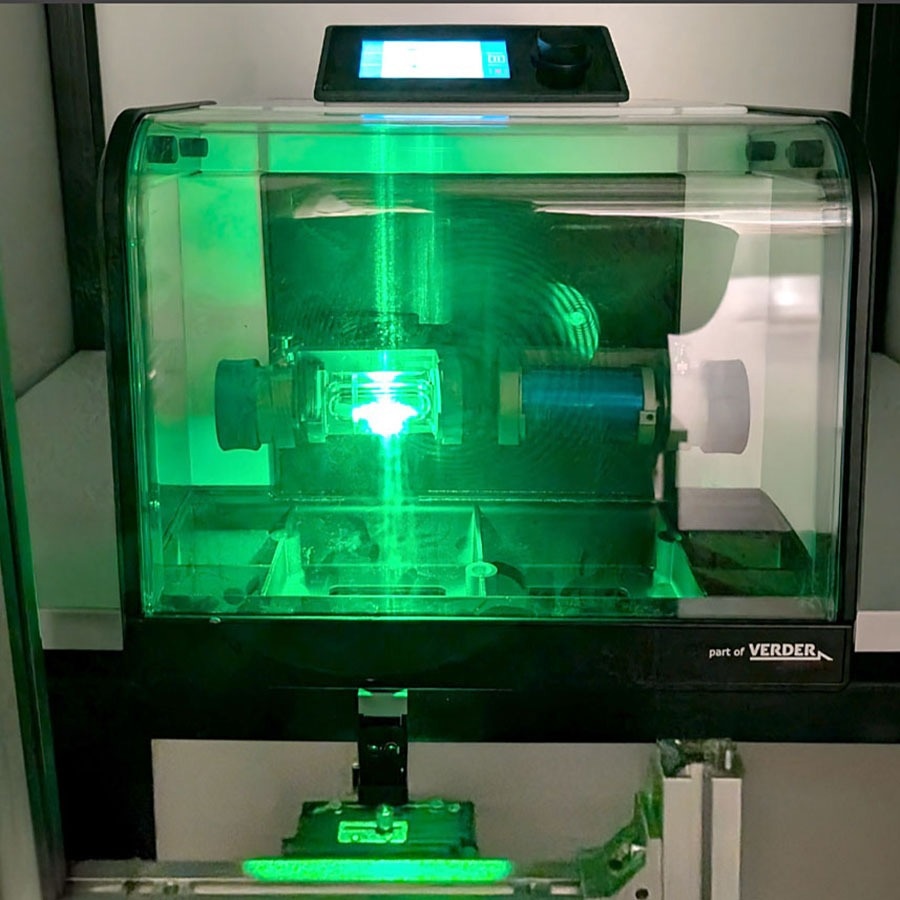
Image Credit: Retsch GmbH
The MM 400 is designed to be “Raman ready,” with a bottom plate inlay that can be easily removed. The bottom plate includes openings that allow the Raman probe to consistently measure at the base of the jars. By positioning the probe beneath the mill, directly under the jars where particle interactions are most intense, accurate data collection is ensured.
The Retsch PMMA grinding jars are chemically resistant and transparent, thereby improving spectral data without contamination. The plane outer shapes of the jars are an added advantage to improve the spectroscopic data.
The technology streamlines the experimental workflow, while allowing scientists to carry out in situ Raman spectroscopy with improved precision and ease. It also paves the way for new opportunities in the field of material analysis.
Accessories for the Mixer Mill MM 400
Grinding Jars in Seven Different Materials: The screw‑top grinding jars are available in nominal volumes ranging from 1.5 mL to 50 mL. These jars are made of various materials, including carbide, agate, PTFE, hardened steel, zirconium oxide, stainless steel, and tungsten. The system allows preparation of samples without contamination.
Transparent PMMA grinding jars are employed in in situ Raman spectroscopy, as well as in photochemical reactions. These jars are resistant to various chemicals and can be used with the predecessor of the MM 400.
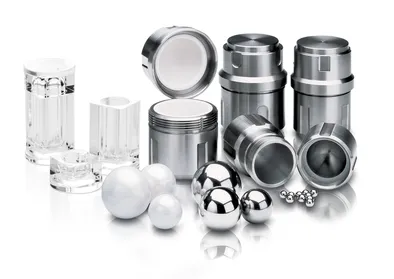
Image Credit: Retsch GmbH
Two-Milliliter Tubes for Cryogenic Grinding: For cryogenic applications, small 2 mL steel tubes are used. An MM 400 system can accommodate up to 20 tubes of this size, which are clamped to the system using an adapter.
These tubes can withstand mechanical stress and low temperatures and remain stable without breaking, unlike the disposable vessels. They are suitable for the smallest sample quantities in the cryogenic range.
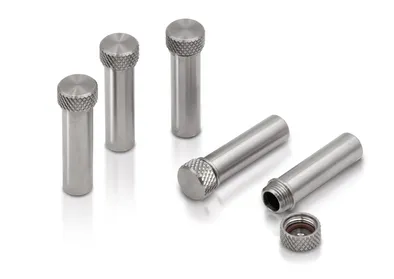
Image Credit: Retsch GmbH
Adapters for Single-Use Vials: The MM 400 can be equipped with adapters for 0.5, 1.5, 2, and 5 mL single‑use vials. For larger sample volumes, such as those required for protein extraction, adapters are available for 50 mL conical centrifuge tubes or 30 mL wide‑mouth bottles.
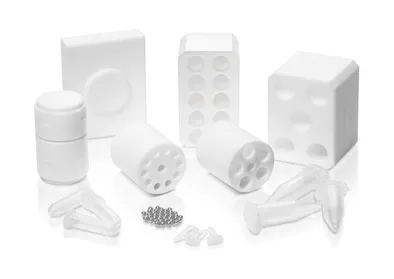
Image Credit: Retsch GmbH
Adapters for Increased Sample Throughput: The MM 400 can be fitted with adapters that hold four 5 mL stainless steel grinding jars, enabling simultaneous pulverization of up to eight samples. This enhanced throughput is particularly advantageous for mechanochemical applications.
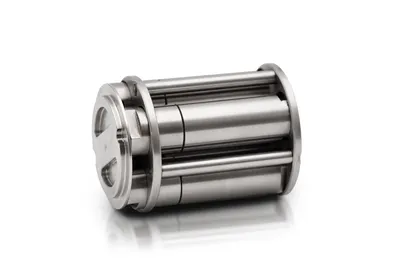
Image Credit: Retsch GmbH
Vials, Bottles, and Tubes Available for MM 400
1.5 or 2 mL (safe-lock, single-use vials, two x 10 vials maximum):
- Cryogenic grinding of soft samples (plants, tissue, insects, cell pellets)
- Cell disruption for RNA, metabolites, DNA, and proteins
- Wet or dry homogenization of soft samples (insects, tissue)
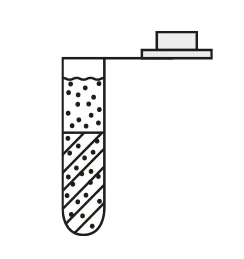
Image Credit: Retsch GmbH
5 mL (Safe-lock, single-use vials, two x 5 vials maximum):
- Cryogenic grinding of soft samples (plants, tissue, insects, cell pellets)
- Cell disruption for RNA, metabolites, DNA, and proteins
- Wet or dry homogenization of soft samples (insects, tissue)
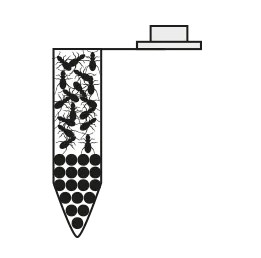
Image Credit: Retsch GmbH
30 mL (Disposable wide-mouth bottles, two x four bottles maximum):
- Wet or dry homogenization of soft samples (insects, tissue)
- Dry milling of hard samples (quartz sand)
- Cell disruption for RNA, metabolites, DNA, and proteins
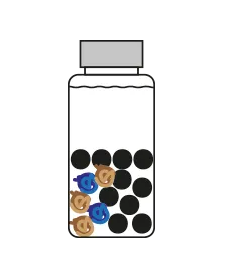
Image Credit: Retsch GmbH
50 mL (Disposable conical centrifugation tubes, two x four tubes max.):
- Wet or dry homogenization of soft samples (insects, tissue)
- Mixing of wax and powder to press pellets for XRF
- Cell disruption for RNA, metabolites, DNA, and proteins
- Extraction of pesticides from plants and food (QuEChERS)
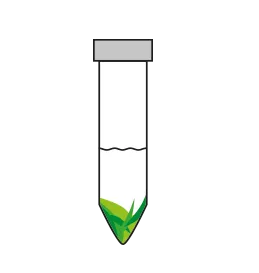
Image Credit: Retsch GmbH
Recommended Jar Fillings
The jar size must be selected based on the sample volume to get optimum results. Typically, the grinding balls are three times the size of the large sample piece. The numbers and sizes of balls given in the table have been calculated based on this proportion.
For example, a 20 mL sample consisting of 8 mm particles can be pulverized using a 50 mL jar and 25 mm balls. According to the table, one grinding ball is sufficient. However, homogenizing 20 mL of a sample with 5 mm particles can be achieved using four 15 mm balls.
The table shows the recommended charges (in pieces) of differently sized grinding balls in relation to the grinding jar volume, sample amount, and maximum feed size. Source: RETSCH GmbH
| Grinding jar nominal volume |
Sample amount |
Max. feed size |
Ø 5 mm* |
Ø 7 mm* |
Ø 10 mm* |
Ø 12 mm* |
Ø 15 mm* |
Ø 20 mm* |
Ø 25 mm* |
| 1.5 mL |
0.2–0.5 mL |
1 mm |
1–2 |
- |
- |
- |
- |
- |
- |
| 5 mL |
0.5–2 mL |
2 mm |
- |
1–2 |
- |
- |
- |
- |
- |
| 10 mL |
2–4 mL |
4 mm |
- |
5–7 |
1–2 |
1–2 |
- |
- |
- |
| 25 mL |
4–10 mL |
6 mm |
- |
- |
5–6 |
2–4 |
1–2 |
- |
- |
| 35 mL |
6–15 mL |
6 mm |
- |
- |
6–9 |
4–6 |
2–3 |
1 |
- |
| 50 mL |
8–20 mL |
8 mm |
- |
- |
12–14 |
6–8 |
3–4 |
1 |
1 |
*The table shows the recommended charges (in pieces) of differently sized grinding balls in relation to the grinding jar volume, sample amount and maximum feed size.
Typical Sample Materials
RETSCH mixer mills can homogenize any sample material, such as: sewage sludge, tobacco, drugs, alloys, glass, ceramics, ores, waste samples, animal feed, chemical products, wood, grains, plastics, bones, electronic scrap, wool, plant materials, coal, hair, soils, tissue, coke, minerals, tablets, paper, textiles, oil seeds, straw, etc.
Fibrous: Hair
- 30 mL sample
- 50 mL stainless steel jar
- One x 25 mm stainless steel ball
- Two minutes at 30 Hz

Image Credit: Retsch GmbH
Cell Disruption: Microalgae
- 30 mL cell suspension
- Eight x 50 mL conical centrifuge tubes (adapter)
- With 25 mL glass beads each; 0.5–0.75 mm
- 30 seconds at 30 Hz
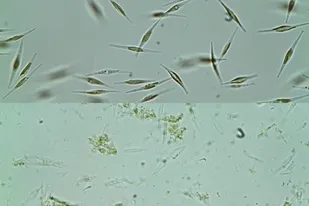
Image Credit: Retsch GmbH
Elastic-Liquid: Capsules with Liquid
- 15 mL sample
- 50 mL stainless steel jar
- One x 25 mm stainless steel ball
- Grinding in liquid nitrogen for three minutes
- Four x two minutes at 30 Hz with intermediate cooling
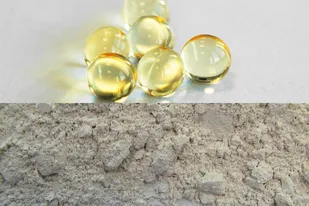
Image Credit: Retsch GmbH
Medium-Hard/Fibrous: Soil
- 20 mL sample
- 50 mL stainless steel jar
- One x 25 mm stainless steel ball
- One minute at 30 Hz

Image Credit: Retsch GmbH
Parsley
- 20 mL sample
- 50 mL stainless steel jar
- One x 25 mm stainless steel ball
- One minute at 30 Hz
Fine grinding of dried parsley in Mixer Mill MM 400 - RETSCH
Video Credit: Retsch GmbH
Tough-Fibrous: Wood
- 5 mL sample
- 10 mL zirconium oxide jar
- Two x 12 mm zirconium oxide balls
- Three minutes at 30 Hz
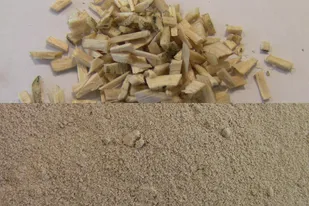
Image Credit: Retsch GmbH
Elastic-Tough: Polyurethane Pellets
- 20 mL sample
- 50 mL stainless steel jar
- One x 25 mm stainless steel ball
- Embrittlement in liquid nitrogen for three minutes
- Four x two minutes at 30 Hz with intermediate cooling
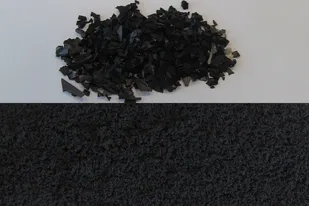
Image Credit: Retsch GmbH
Fibrous: Cannabis
- 3 g sample
- 50 mL stainless steel jar
- One x 25 mm stainless steel ball
- Grinding with liquid nitrogen for two minutes
- 90 seconds at 30 Hz

Image Credit: Retsch GmbH
Hard-Brittle: Concrete
- 10 mL sample
- 25 mL zirconium oxide jar
- Two x 15 mm zirconium oxide balls
- Two minutes at 30 Hz
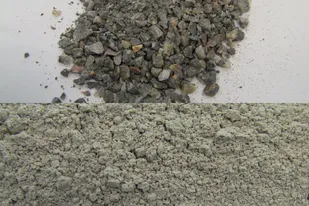
Image Credit: Retsch GmbH
Functional Principle
The principle behind the grinding process is the generation of radial oscillations by the grinding jars in a horizontal position. Driven by inertia, the grinding balls strike the sample material with high energy at the rounded ends of the jars, pulverizing it. Together with the above mechanism, the movements of the balls and the jar result in further mixing of the sample.
The degree of mixing can be further increased by using several small balls, such as glass beads, to disrupt cells, including biological cells. The strong frictional impacts between the beads enable effective disruption of cells.
Mixer Mill MM 400 Function Principle - RETSCH
Video Credit: Retsch GmbH
Technical Data
Source: RETSCH GmbH
| |
|
| Applications |
Size reduction, mixing, homogenization, cell disruption, cryogenic grinding, mechanochemistry |
| Field of application |
Agriculture, biology, chemistry/plastics, construction materials, engineering/electronics, environment/recycling, food, geology/metallurgy, glass/ceramics, medicine/pharmaceuticals |
| Feed material |
Hard, medium-hard, soft, brittle, elastic, fibrous |
| Size reduction principle |
Impact, friction |
| Max. feed size |
= 8 mm |
| Final fineness |
∼ 5 µm |
| Batch size/feed quantity |
Maximum two x 20 mL |
| No. of grinding stations |
Two |
| Vibrational frequency |
3–30 Hz (180 - 1800 min-1) |
| Typical mean grinding time |
30 seconds to two minutes |
| Max. grinding time |
99 hours |
| Dry grinding |
Yes |
| Wet grinding |
Yes |
| Cryogenic grinding |
Yes |
| Cell disruption with reaction vials |
Yes, up to 20 x 2.0 mL |
| Self-centering clamping device |
Yes |
| Type of grinding jars |
Screw-top design |
| Material of grinding tools |
Hardened steel, stainless steel, tungsten carbide, agate, zirconium oxide, PTFE, PMMA |
| Grinding jar sizes |
1.5 mL/5 mL/10 mL/25 mL/35 mL/50mL |
| Setting of grinding time |
Digital: 10 seconds to eight hours |
| Storable SOPs |
12 |
| Electrical supply data |
100–240 V, 50/60 Hz |
| Power connection |
One-phase |
| Power consumption |
165 W |
| Protection code |
IP 30 |
| W x H x D closed |
385 x 350 x 470 mm |
| Net weight |
∼ 27.5 kg |
| Standards |
CE |